Get Full Government Meeting Transcripts, Videos, & Alerts Forever!
Get email alerts on the Housing Policy topic
No spam. Unsubscribe anytime.
Senate approves bill separating emotional-support animals from service-animal code
Summary
Senate Bill 70 separates emotional-support animals from service animals in statute, allows landlords to seek deposits and damage recovery when emotional-support animals cause harm, and requires a mental-health provider letter for accommodation; the measure passed after debate about ADA alignment.
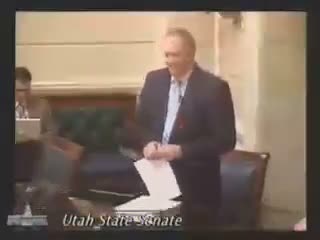
The Utah Senate on Tuesday passed first-substitute Senate Bill 70, which creates a separate statutory treatment for emotional-support animals distinct from service animals and clarifies landlords’ ability to seek security deposits or damages for non-service animals that cause harm.
Sponsor Senator McCoy described the bill as recodifying language from last year into a standalone section distinguishing service animals from emotional-support animals. McCoy said the bill allows a landlord to request a security deposit or compensation "if they cause damage," and requires a mental-health provider to provide documentation that a person has a disability and needs the support animal for reasonable accommodation.
Senator Dayton said his earlier concerns remain about the bill possibly granting privileges beyond what federal ADA rules allow; he said he would vote for the bill but intends to revisit alignment with ADA regulations in future sessions. Exchanges on the floor included light-hearted remarks from Senator Stevenson about animals used as political mascots, but no substantive change to the measure.
After the question was called, the Senate recorded the first-substitute passage by roll call (reported as 26 ayes, 0 nays, 3 absent) and sent the bill to the House for its consideration.
Senators noted the bill largely clarifies terminology and the accommodation process rather than creating novel privileges for service animals.