Get Full Government Meeting Transcripts, Videos, & Alerts Forever!
Get email alerts on the Disability Accommodations topic
No spam. Unsubscribe anytime.
Senate separates emotional support animals from service-animal law in SB70
Summary
Senators approved a substitute to Senate Bill 70 that moves emotional support animal provisions into a separate statutory section while retaining existing protections and reasonable-accommodation rules for service animals.
The Utah Senate adopted a substitute to Senate Bill 70 that separates emotional support animals into their own statutory section while keeping the protections for service animals intact.
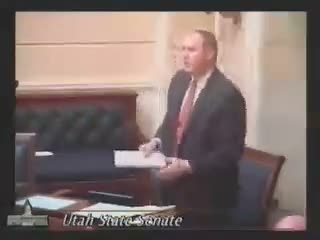
Senator McCoy, sponsor of the substitute, told the chamber that the change is primarily a recodification: “all this bill really does is break out the 2, so that we have 1 section that deals with service animals and then this creates a new section that moves the emotional support animal stuff over into the new section.” He said the substitute updates references after the recodification of Title 78 and clarifies where provisions governing emotional support animals appear in statute.
On the floor, senators asked whether the substitute would weaken protections for service animals, whether veterinarian-safety language remained (the sponsor noted the vet-signature provision had been removed in committee), and how landlords should treat tenants who claim emotional support animals. McCoy repeatedly said the same standards for danger or nuisance (as interpreted under the Americans with Disabilities Act) apply and that reasonable-accommodation rules—including the need for documentation from a mental-health professional—remain in place.
Senators pressed hypothetical scenarios—such as undisclosed animals that cause property damage, or an emotional-support snake that alarms neighbors—but the sponsor said current law already requires disclosure and documentation for reasonable accommodation and that the substitute preserves those substantive protections.
The chamber called the question and read the first substitute for the third time; the roll call recorded 19 ayes, 1 nay and 9 absent. The bill will now proceed toward enrollment and signature as applicable.