Senate passes transparency‑in‑government finance bill after debate over thresholds
Summary
Second substitute SB 38, which creates statutory guidance for a transparency board and phased public reporting of contracts, grants and expenditures, passed the Utah Senate after debate about thresholds, fiscal impacts and rollout sequencing; sponsor said the board will consider cost, value and privacy when setting reporting requirements.
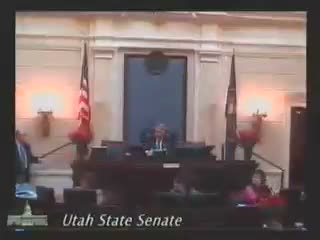
The Utah State Senate passed second substitute Senate Bill 38, a measure to create and guide a statewide transparency board and establish a phased rollout for online public reporting of state and local financial information.
Senator Aaron Niederhauser (Senator Niederhauser) presented the bill on the floor and read language describing the board’s considerations in deciding what information will appear on the public website. He said the board will weigh 'the cost effectiveness of providing the information, the value of providing the information to the public, and the privacy and security considerations.' He told colleagues he has worked with counties and cities and noted support from the League of Cities and Towns for sensitivity toward small local entities.
The sponsor referenced other states with existing public financial websites and said Utah’s fiscal note for the proposal is ongoing at about $250,000; he framed that as a modest, ongoing cost compared with anticipated efficiencies. On the floor he said a phased schedule will bring state agencies online first (board opening and website in early 2008), followed by school districts, higher‑education and transit districts the next year, with cities, towns and special districts considered around 2010.
Floor questions focused on practical effects and who decides thresholds. Senator Maine asked whether the state would come online before cities; Niederhauser confirmed the state goes first. Senator McCoy asked 'Who is to determine what significant is?' in a related concurrence debate about SB 144, prompting sponsor replies that the bill contains a definition and that disputes could lead to further legislative action or litigation.
Despite concerns about burdens on small entities if budget thresholds are set too low, the Senate approved SB 38 on a recorded vote (transcript records 19 yes, 6 no, 4 absent). The floor debate indicates the implementation details will be determined by the transparency board under statutory direction rather than being fully spelled out in the statute.
What remains clear from the floor remarks is the bill’s statutory framing: the transparency board is charged with balancing public value and administrative cost and with setting size or budget thresholds by rule. The sponsor repeatedly stressed outreach to counties and cities and signaled an intent to avoid imposing undue burdens on very small local entities.
The Senate sent the bill to the House for further consideration and implementation steps will be public rulemaking tasks for the transparency board. The official bill text and fiscal documents should be consulted for precise thresholds, dates and cost figures.