Get Full Government Meeting Transcripts, Videos, & Alerts Forever!
Get email alerts on the Business Cooperatives topic
No spam. Unsubscribe anytime.
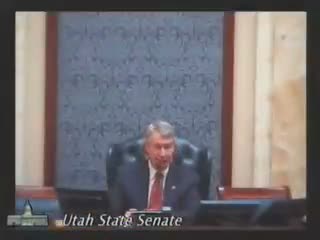
Senate approves Uniform Limited Cooperative Association Act, allowing optional new coop entity with investor limits
Summary
The Utah Senate advanced SB69, creating an optional limited cooperative association form permitting outside investors but capping nonmember ownership at 50%; sponsor said the law is permissive and protects patron control.
The Utah Senate moved SB69 forward for third reading after extended floor debate, approving a uniform limited cooperative association option that permits outside investment while protecting member control. The measure was read for the third time after a unanimous roll call (29 yes, 0 nay, 0 absent).
Senator Hilliard, sponsor of SB69, described the measure as a permissive new entity form that gives cooperatives an additional structure to raise outside capital while ensuring patrons retain voting control. "If you want to build ... you could bring outside investors, but those outside investors could not have more than 50% of the ownership," he said. The bill creates a choice: existing co‑ops may remain under current coop law or elect the new form.
Floor discussion addressed possible applications to housing cooperatives, credit unions and producer groups. Senators asked whether the statute would create an entity similar to an LLC or S corporation; Hilliard said the new form follows limited‑liability characteristics to accommodate outside financing but retains co‑op protections, especially the ownership cap.
Supporters said the law adds a useful option for co‑ops seeking capital without surrendering member control; no significant floor opposition was recorded. The bill will proceed toward final enactment processes after House consideration.