Get Full Government Meeting Transcripts, Videos, & Alerts Forever!
Get email alerts on the Executive Authority Interstate Agreements topic
No spam. Unsubscribe anytime.
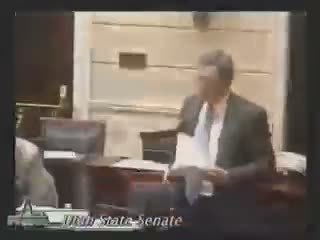
Senate approves limits on governor’s interstate agreements after floor debate
Summary
The Utah Senate passed a bill narrowing the governor’s authority to enter binding interstate agreements, 25–3, after senators debated concerns the measure could unduly constrain executive flexibility.
SALT LAKE CITY — The Utah Senate voted to approve first substitute Senate Bill 144, a measure that narrows the governor’s authority to enter binding interstate agreements without legislative sign‑off. Sen. Jenkins, sponsor of the bill, said the measure “limits the parameters on the governor’s ability to make interstate binding agreements” and directs that certain agreements be brought before the Legislature.
The legislation drew objections from several senators who said it was broader than necessary. Sen. Romero, speaking in opposition, said the bill “seems to suggest that these officials will have to come back to the legislature for any amount or any proposition” and argued the measure would be better if it included a dollar threshold for executive action. Sen. McCoy also said he had “some real concerns about the breadth of the bill” and announced his no vote.
After floor debate and members’ explanations, the Senate recorded a roll‑call of 25 yes, 3 no and 1 absent; the bill passed and was referred to the House for further action. Supporters said the measure restores legislative oversight of interstate commitments; opponents warned it could tie the governor’s hands on matters such as climate and water agreements that may require timely executive action.
The next procedural step is House consideration; the Senate’s action sends the substitute to the lower chamber for further review.