Get Full Government Meeting Transcripts, Videos, & Alerts Forever!
Get email alerts on the Medicaid Recovery topic
No spam. Unsubscribe anytime.
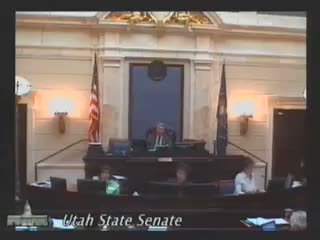
Senate debates Medicaid asset‑recovery bill; committee of the whole summoned for technical Q&A
Summary
Senate Bill 50 would allow the state to place an administrative hold (lien) on property to preserve assets for Medicaid recovery; senators questioned priority of liens, homestead protections, and enforcement timing during an extended Committee of the Whole with ORS recovery staff. The bill was not advanced on third reading at this session.
Senate Bill 50, the "Benefits Recovery Amendments," prompted extended floor debate and a Committee of the Whole for technical examination of how administrative liens and holds would operate to preserve assets for Medicaid recovery.
Sponsor Senator Christensen said the measure would allow the state to place a hold on assets before they are dissipated, giving Recovery Services the ability to recover amounts paid for long‑term care. "These are hundreds of millions of dollars," Christensen said, arguing that the state must protect funds expended on Medicaid when families or others attempt to move assets out of reach.
The Senate resolved into a Committee of the Whole to hear from Mark Brasher of the Office of Recovery Services, who explained the bill’s mechanics: liens would generally be administrative, automatically released if a person returned home, and would not be placed where a surviving spouse or minor/disabled child would be left without protection. Brasher said the state already places liens at probate but the bill would allow an earlier hold to prevent deliberate asset dissipation.
Senators pressed for details. Senator Goodfellow asked how collection works now and whether Medicaid claims would take priority over other debts; the sponsor and recovery staff explained that mortgages retain first priority and the state's claim would be against equity after existing higher‑priority liens are satisfied. The transcript records a $20,000 homestead exemption under current Utah law cited during the exchange.
Others raised concerns about scope and fairness. Senator Bell framed the policy as targeting those who use estate planning to evade paying for care and urged careful drafting to avoid unintended consequences; questions about the number of people affected, waivers for hardship and administrative timelines were also raised.
After the Committee of the Whole and further floor discussion, senators did not secure an immediate final passage for SB 50 in this session. The presiding officer indicated the bill "had not received 24 yes votes" at that moment and the sponsor moved to circle the bill for later consideration, effectively pausing final action for further committee or floor work.
The record shows policymakers sought more technical detail about lien priority, timing of lien release, and the number of people affected; the staff responded that enforcement typically occurs after a beneficiary dies and that a waiver and administrative release processes are provided in the bill as drafted. No final vote or enactment occurred during this floor session.