Get Full Government Meeting Transcripts, Videos, & Alerts Forever!
Get email alerts on the Tax Policy Trusts Estates topic
No spam. Unsubscribe anytime.
Senate advances trust-and-estate tax recodification as part of income tax changes
Summary
Lawmakers advanced S.B. 31, recodifying trust and estate taxation to a single 5% rate and restoring some deductions as credits. Sponsors said the change brings continuity with the individual income tax code; a fiscal note cited roughly $8 million and senators signaled continued work before final enactment.
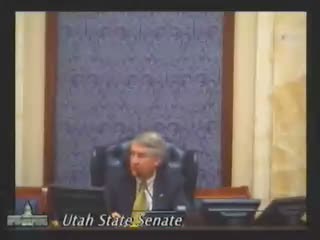
Senators on the floor advanced S.B. 31, a broad package of income-tax recodification that includes consolidating the trust-and-estates tax into a single rate and restoring select credits to ease impacts on lower-income taxpayers.
Senator Niederhauser, sponsor, told colleagues the measure follows the earlier omnibus tax changes and "recodified now the income or the trust and estates portion of the code," saying the reform would tax trusts and estates at a single 5 percent rate rather than graduated rates. "We virtually took the old system, which had graduated rates and created a one rate with tax credits," he said while distributing a spreadsheet illustrating the changes.
During floor discussion senators pressed whether the effort eroded the long-term goal of a simpler flat tax and asked about fiscal consequences. Senator Hilliard noted the fiscal note showing roughly $8,000,000 and said that was a concern he would need to reconcile before supporting final passage. Niederhauser said the approach was intended to limit losses among lower-income filers and that more refining would occur in the interim.
The Senate called the question and S.B. 31 received 29 yes votes and 0 nays when ordered for third reading.
The bill will proceed to third reading where sponsors and opponents may offer amendments; lawmakers identified ongoing technical and distributional issues to resolve before final enactment.