Get Full Government Meeting Transcripts, Videos, & Alerts Forever!
Get email alerts on the Elections Vacancies topic
No spam. Unsubscribe anytime.
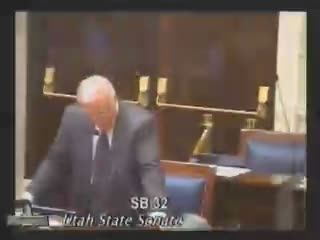
Senate approves change to fill legislative vacancies; amendment applies to 2008 appointments
Summary
The Utah Senate advanced S.B. 123 to let appointed senators serve the remainder of the term for the vacancy they fill, after adopting an amendment that makes that change apply to appointments back to Jan. 1, 2008. Supporters said the move prevents immediate re-election pressure on appointees; critics warned it could reduce voters’ near-term say in representation.
Senators on the floor moved on S.B. 123 to change how vacancies in the Senate are filled, adopting an amendment to apply the change retroactively to appointments made on or after Jan. 1, 2008.
Senator Jason Hickman, sponsor of the underlying bill, said the measure would allow an appointed senator to serve the full remaining term of the seat they fill rather than being required to stand for election at the next general election. "The bill provides that they will fill the full vacancy for which they have been appointed and will not stand for reelection until the normal cycle that the person they are replacing would have stood for reelection," Hickman said during his explanation of the measure.
Senator Jason Romero moved Amendment 1 to make the change apply retroactively to 01/01/2008 so that prior appointees — he cited Senator Maine as an example — would receive the same benefit. "This amendment . . . would allow Senator Maine the benefit that we're contemplating passing," Romero said in floor remarks supporting his motion to amend.
Opponents raised concerns the change could be gamed if a senator elected at the general election resigned shortly after victory, leaving delegates to select a replacement who would then serve nearly a full term without facing voters. Senator McCoy said he worried about scenarios where "an election and a senator is elected and 3 weeks in, they resign," leaving voters without timely recourse. Several senators asked for a carve-out for vacancies caused by death versus voluntary resignation; Senator McCoy signaled he might offer a limiting amendment on third reading.
The Senate adopted Romero's amendment by voice and later ordered S.B. 123 read for the third time; the roll call showed the bill would proceed with 24 yes votes and 5 nays recorded when the question was called.
The next procedural step is third-reading consideration and any amendments that senators may offer on the floor; supporters said they would address timing and effective-date concerns before final passage.