Get Full Government Meeting Transcripts, Videos, & Alerts Forever!
Get email alerts on the Tobacco Regulation topic
No spam. Unsubscribe anytime.
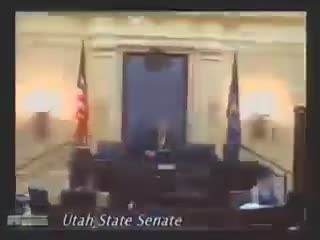
Utah Senate approves secondary offense for smoking in cars with children under 5
Summary
The Utah Senate advanced Senate Bill 14, creating a secondary offense with a fine of up to $45 for smoking in a vehicle when a child age 5 or younger is present. Sponsors and proponents framed it as a child-welfare and public-health measure; opponents raised private-property and enforcement concerns. The measure passed on final roll-call.
The Utah Senate on the floor moved forward with Senate Bill 14, a measure that makes smoking in a vehicle while a child age five or younger is present a secondary infraction punishable by a fine of up to $45. Senator McCoy presented the bill and called it “a public health bill and it's a child welfare bill.”
Supporters argued the bill protects a captive and vulnerable population. “These children don't have a choice,” Senator Jones said during debate, adding that residues from smoke remain on hair and clothing and that children cannot avoid exposure in confined vehicles. Senator McCoy told colleagues the state has already drawn lines protecting children (for example, mandatory car seats) and said the bill is a modest next step to protect young children from secondhand smoke.
Opponents urged caution about expanding the reach of government into private property. Senator Petersen said he was concerned about intrusion into private property rights, and Senator Hickman warned the measure could set a precedent for other private conduct regulation. Senator Dayton said he opposed the bill not because he supports smoking but because he viewed enforcement of private behavior inside vehicles as inappropriate.
Members also raised practical enforcement questions: Senator Griner and others asked how law enforcement would determine a child's exact age or whether a child remains in a child seat at the moment of contact. Some senators said they had consulted local law-enforcement partners and remained unconvinced about enforceability.
After extended debate weighing children’s health against concerns about property rights and enforceability, the Senate recorded the roll-call on the measure. The chamber reported the bill had received 20 yes votes and 9 nay votes and would be read for the third time and final passage as the process continued.