Get Full Government Meeting Transcripts, Videos, & Alerts Forever!
Get email alerts on the Transportation Safety topic
No spam. Unsubscribe anytime.
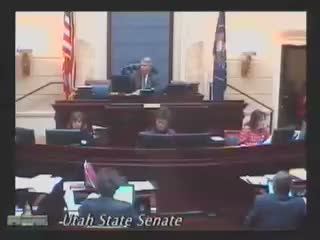
Senate debates tougher highway-litter and unsecured-load penalties in SB44
Summary
Senate debate focused on SB44, a committee bill to raise fines for highway littering and unsecured loads, add plastic containers to prohibited items, and create a restricted account for cleanup and education; senators pressed for clarifying amendments on enforcement jurisdiction and revenue sharing before third reading.
Senate Bill 44, presented by Senator Jones, would increase fines for littering on state highways, raise penalties for unsecured loads and create a state restricted account to fund cleanup and public education.
Senator Jones said the intent is to address a public-safety problem and the recurring cost to the state: "Right now a $40 fine for an unsecured load that could potentially kill someone is not a very high fine," he said, arguing that higher penalties and an education campaign would reduce dangerous debris on roadways. The bill would increase second-or-subsequent unsecured-load fines substantially and move some littering provisions into different code sections.
Senator Greiner asked why 60 percent of new revenue would go to the state while 40 percent would remain with local jurisdictions; staff indicated lawmakers would likely restore clearer venue and enforcement language for third reading. Senator Petersen and others questioned the disparity between commercial and noncommercial fines for identical debris, and Senator Jones said the Uniform Bail Schedule historically distinguished commercial fines.
The Senate called the question and agreed to read SB44 for the third time; floor discussion flagged possible technical amendments on enforcement language and court venue before final passage.