Get Full Government Meeting Transcripts, Videos, & Alerts Forever!
Get email alerts on the Education Testing topic
No spam. Unsubscribe anytime.
Senate approves pilot to let limited districts try computer‑adaptive student testing
Summary
The Utah Senate passed Senate Bill 2,002 to authorize a limited pilot allowing up to 3 rural districts, 2 urban districts and 5 charter schools to test computer‑adaptive assessments in lieu of parts of UPASS, with the State Board of Education required to adopt accountability plans and the superintendent to seek federal approval under No Child Left Behind.
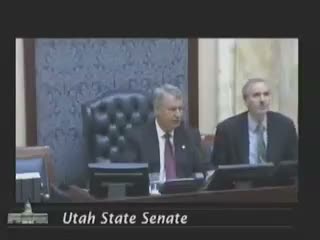
The Utah Senate on Sept. 26 passed Senate Bill 2,002, authorizing a pilot program for computer‑adaptive student assessments that would allow a small number of districts and charter schools to be exempted from components of the state’s UPASS system while officials seek federal approval under No Child Left Behind. The measure passed the Senate and was referred to the House.
Senator Howard Stevenson, the Senate sponsor, told colleagues adaptive testing can measure a wider range of student skills than the current criterion‑referenced tests and can provide immediate diagnostic feedback to teachers. “This is simply seeking permission for a pilot on adaptive testing,” Stevenson said, adding the bill does not immediately change the statewide UPASS system.
The floor adopted an amendment limiting participation in the pilot: “a cap of up to 3 rural school districts, up to 2 urban school districts, and up to 5 charter schools,” language offered by the sponsor and adopted as Amendment 2. Amendment 2 also requires the State Board of Education to develop and adopt an accountability plan for any pilot district by Oct. 31, 2009, and to report that plan to the Education Interim Committee.
Senators questioned the safeguards, fiscal impact and whether the pilot could jeopardize federal funding. Stevenson said the pilot would require State Board approval and that “superintendent Harrington will be on a plane, immediately and seek approval of the Department of Education” to demonstrate the pilot’s rigor. On costs, he said the state office had discretionary federal funds to assist pilot districts and that a systemwide mandate later would require a fiscal note depending on frequency of testing and offsets from retiring other exams.
Supporters argued adaptive tests can reduce the number of separate exams and provide better instructional data; opponents cautioned the item had surfaced quickly in a special session and urged a fuller vetting in general session. After debate and a roll call, the Senate recorded 22 yes votes, 5 nays and 2 absences and forwarded the bill to the House.
Next steps: the bill’s pilot caps and the State Board accountability requirement mean the pilot will move forward only if the board and federal officials agree; further legislation may be required for wider adoption after the pilot and committee reports.