Get Full Government Meeting Transcripts, Videos, & Alerts Forever!
Get email alerts on the Judicial Confirmation topic
No spam. Unsubscribe anytime.
Utah Senate rejects Court of Appeals nominee Robert K. Hilder after prolonged debate
Summary
The Utah State Senate voted 12–16 to reject Gov. John Huntsman Jr.'s nomination of Judge Robert K. Hilder to the Court of Appeals on Nov. 19, 2008, after hours of debate over his temperament, past rulings and public statements. The office will be reopened under the state constitution.
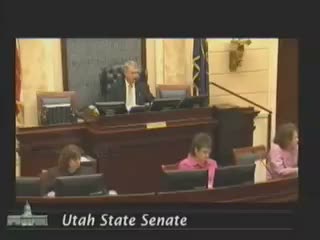
SALT LAKE CITY — The Utah State Senate on Nov. 19 rejected Gov. John M. Huntsman Jr.'s nomination of Judge Robert K. Hilder to the Court of Appeals, voting 12 in favor and 16 opposed after an extended confirmation debate.
Senators spent several hours weighing competing views of Hilder's record on the bench, with supporters pointing to years of service and high evaluations from attorneys and jurors and critics citing concerns about his courtroom demeanor, public comments and the handling of contentious cases. "I do not believe Judge Hilder should be appointed to the appellate court," a senator opposing the nomination said during debate, urging colleagues to consider a minority committee report that raised temperament and conduct concerns.
Senator Greg S. Bell, who led the confirmation committee's presentation, summarized the committee’s findings and defended the nominee's qualifications. He described broad professional endorsements and emphasized Hilder's preparation and contributions as a trial judge. Supporters highlighted randomly sampled judicial performance evaluations cited in debate that showed high ratings on preparedness and demeanor.
Opponents pointed to a series of contested matters the committee reviewed, including a high-profile case involving the University of Utah's firearms policy and the Natalie Turner family matter, and raised questions about whether Hilder had at times made public remarks they said were inappropriate while proceedings were pending. One senator said some constituent submissions alleged the judge’s rulings had led to severe family consequences; the committee reported that it found no substantiating evidence on several of those additional allegations.
After the roll call, President Valentine announced the effect of the vote: the office is considered vacant and a new nominating process will begin under Article 8, Section 8 of the Utah Constitution. The outcome means the governor and the judicial nominating commission must restart the selection process for the Court of Appeals vacancy.
The debate underscored tensions in the confirmation role the Senate exercises as a public review point in Utah’s selection system: supporters argued the public confirmation preserves judicial quality, while opponents said heightened scrutiny can be damaging and must be based solely on fitness for office. Senators repeatedly cited the constitutional requirement that confirmation be based "solely upon consideration of the nominee's fitness for judicial office." The Senate adjourned following additional ceremonial business.
The Senate’s vote followed a committee recommendation that itself had been split; the clerk’s reading of the committee report noted a 3–2 favorable recommendation from the Judicial Confirmation Committee before full-Senate debate.