Get Full Government Meeting Transcripts, Videos, & Alerts Forever!
Get email alerts on the Supplemental Appropriations topic
No spam. Unsubscribe anytime.
Senate approves supplemental appropriations to fix school timing, restore hospital reimbursements
Summary
The Utah State Senate on a May 2009 special session approved a supplemental appropriations bill to correct minimum school program timing, restore $6.5 million toward Medicaid hospital reimbursements and fund a previously enacted payment amendment; bill passed on a broad bipartisan vote and was sent to the House and governor.
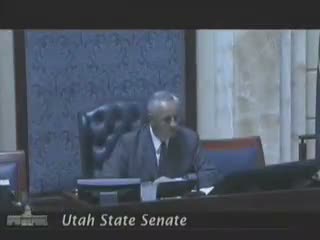
SALT LAKE CITY — The Utah State Senate on a special session in May 2009 approved a supplemental appropriations bill aimed chiefly at correcting the timing for the state’s minimum school program and softening cuts to hospital Medicaid reimbursements.
Senator Hilliard, sponsor of Senate Bill 1,004, told colleagues the legislation addresses three areas: timing corrections to the minimum school program, restoration of Medicaid hospital reimbursement rates and funding for Senate Bill 230 (a constitutional payment amendment). "First of all, I was asked the question whether this deals with federal spending money and this bill does not," Hilliard said in explaining the measure’s scope. He said the bill "restores $6,500,000" to reduce the hospitals’ rate reduction to about 15 percent.
The bill’s timing fix was described by Hilliard as the primary purpose of the special session. Lawmakers said a portion of the legislation needed a two-thirds vote to take immediate effect because of the statutory timing of the minimum school program; the Senate suspended rules and advanced the bill for final passage.
Senator Eckhart raised concerns for the record about the impact of Medicaid rate cuts on hospitals, noting that "Medicaid reimbursement currently doesn't cover inpatient hospital costs" and that community hospitals with growing Medicaid populations are losing money. Eckhart emphasized hospitals cannot refuse emergency or maternity patients, saying that those institutions "have to treat them" even if reimbursement is inadequate.
Senators debated the bill’s components and the sponsor answered questions about the effect on hospitals and funding sources. After suspension of the rules, the Senate held a roll-call vote and the President announced the bill had received the votes needed and passed the Senate; the measure was forwarded to the House for their action and then to the governor for signature.
The Senate action dealt only with the state appropriation language recorded in the bill and the specific funding moves described on the special-session proclamation. The supplemental appropriations bill does not itself change federal rules. Lawmakers said additional administrative adjustments would be handled by the Department of Finance where appropriate.
The Senate concluded its consideration of SB 1,004 and other matters and appointed delegations to notify the governor and the House that it had completed the work called for in the governor's proclamation. A press briefing was scheduled after adjournment for public questions about the session’s actions.