Get Full Government Meeting Transcripts, Videos, & Alerts Forever!
Get email alerts on the Tort Reform topic
No spam. Unsubscribe anytime.
Senate adopts compromise tort reform for emergency-care claims with four-year sunset
Summary
The Utah Senate passed a third-substitute of SB79, a negotiated compromise targeting emergency-room malpractice standards by raising the proof threshold and including a four-year sunset; supporters framed it as narrow and negotiated with trial lawyers and medical groups. The measure passed after floor questions and assurances about limits to emergency care (23–1).
The Utah Senate adopted a negotiated compromise on medical-malpractice reform Monday, approving the third-substitute to Senate Bill 79. Sponsors said the measure is narrowly drawn to address emergency-room care and raises the required proof for a plaintiff to show breach of the standard of care in emergency settings, and it includes a four-year sunset.
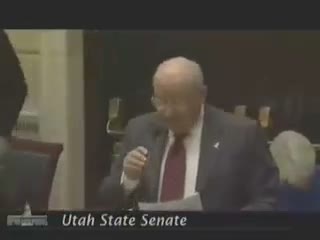
"What the substitute bill does . . . is it drops the provisions dealing with the expert witness [changes] and it does focus on the issue of the emergency room," Senator Valentine said on the floor, describing the agreement between trial lawyers and the medical community. "It also provides a 4 year sunset." (Senator Valentine)
Senator Knudson, sponsor of the substitute, described the result as a "reasoned compromise" worked out in meetings that included representatives of trial-lawyer and medical groups. Several senators asked whether the change might expand to other specialties; sponsors repeatedly answered the compromise was limited to emergency-room physicians and that the sunset and the terms of the substitution were deliberate parts of the negotiation.
There was wide floor support for the substitute after extended discussion and a roll-call vote. The third-substitute bill passed the Senate with 23 yeas, 1 nay and several absences, and will be forwarded to the House for its action.
What happens next: The House will receive the Senate-substituted version for its consideration; the four-year sunset provides a window for evaluating whether the provision affects malpractice costs or behavior as intended.