Get Full Government Meeting Transcripts, Videos, & Alerts Forever!
Get email alerts on the Business Regulation topic
No spam. Unsubscribe anytime.
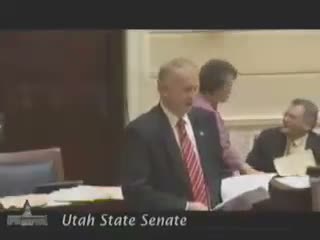
Senate passes Outdoor Guides and Outfitters Licensing Act after contested floor debate
Summary
Following hours of debate and concerns from guides and several senators, the Utah Senate passed First Substitute House Bill 173 to license guides and outfitters who operate on public lands; supporters said the change brings state oversight and parity with neighboring states, while opponents warned it may add bureaucracy.
After extended debate, the Utah Senate passed First Substitute House Bill 173 on March 11, creating a licensing framework for outdoor guides and outfitters that will apply to services on public land and primarily to big-game guides.
Senator Christiansen, the Senate sponsor, said the bill "applies only to public land, sets a board that will establish a fee for licensure ... I sincerely anticipate something between $50 and $100." He said the program would include representation across the industry, from part-time guides to full-time operators, and sought to assure colleagues the fee would be set to cover administrative costs only.
The bill generated sustained floor discussion. Supporters — including senators citing growing industry value and the need to prevent out-of-state problematic guides from operating in Utah — said state licensure would provide oversight and protect consumers. Opponents warned the measure could create another layer of regulation, reduce competition and impose burdens on small or seasonal guides.
Senators asked for and received assurances that board representation would include local guides and that the fee structure would be modest; the sponsor also said federal primacy concerns had contributed to delays and that state action would restore control. After motion, reconsideration, calls to the chamber and a subsequent roll-call, the Senate passed the first substitute HB173 (24–4–1 recorded) and will return it to the House for further action.