Get Full Government Meeting Transcripts, Videos, & Alerts Forever!
Get email alerts on the Energy Policy topic
No spam. Unsubscribe anytime.
Senate passes energy-policy amendment after narrowing language that critics said could 'tax ideas'
Summary
Senators debated HB 412, which would require assessment of economic impacts for certain climate-related actions; opponents warned it could create procedural barriers to legislation; the Senate accepted an amendment to narrow its scope and passed the bill 22-4 with three absent.
House Bill 412 would add a requirement to state energy policy that Utah assess the economic impacts of climate-change-related policies and proposed federal regulations before adopting them. Sponsor Senator Jenkins said the measure is intended as state policy guidance to evaluate how federal or state proposals might affect Utah's coal-dependent energy economy.
Opponents argued the bill's language could impose costly, undefined studies and serve as a de facto gatekeeper for new legislation. "I really feel like this is a tax on ideas," Senator Jones said on the floor, expressing concern that requiring studies before bills could be introduced or adopted would chill debate and add costs borne by taxpayers. Other senators worried the bill's terminology (for example, the phrase "including a bill or resolution") could be read to require pre-approval economic analysis of ordinary legislation.
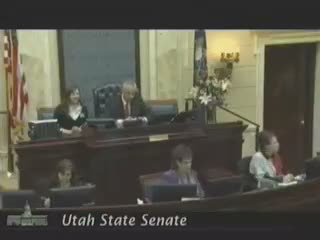
Floor action: Senator Romero moved to remove the words "including a bill or resolution" from the text; the sponsor accepted the change as friendly. With that narrowing amendment, the Senate passed HB 412 on third reading by recorded vote, 22 yea, 4 nay and 3 absent. Senators who supported the bill emphasized the state's predominantly coal-based electric generation and the need to understand the economic consequences of federal energy regulation.
Implementation and next steps: The bill was described on the floor as broad policy guidance rather than a spending bill; it does not specify funding sources for the research it envisions. The Senate returned the bill to the House for further action as required by the enrollment process.