Get Full Government Meeting Transcripts, Videos, & Alerts Forever!
Get email alerts on the Alcohol Policy topic
No spam. Unsubscribe anytime.
Senate approves sweeping alcohol reform package, including new club rules and liability changes
Summary
The Utah Senate passed a broad overhaul of the state's alcohol laws (first substitute SB187), repealing private-club membership requirements, creating social-club standards with electronic verification for patrons under 35, and raising dram-shop liability limits. Sponsors said the package balances expanded access with stronger public-safety measures; the Senate approved it unanimously under suspension of the rules.
The Utah Senate on March 9 passed a comprehensive overhaul of the state's alcohol-control laws, approving first substitute Senate Bill 187 under suspension of the rules.
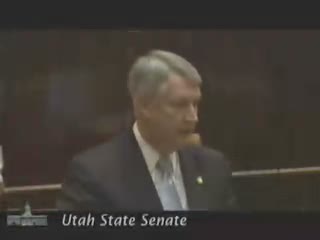
Sponsor Sen. Valentine described the package as "a very major piece of legislation, probably the largest piece of legislation that we've ever dealt with in the alcohol policy in 40 years," saying it both modernizes sales rules and strengthens public-safety elements. The measure repeals the private-club membership requirement, creates a new category of "social clubs," requires electronic verification for patrons 35 and younger in certain venues and expands licensing options, including a new resort license.
Supporters said the package preserves public-safety tools while removing antiquated structural barriers to sales. "We repeal private club membership requirement," Valentine said during his presentation, adding the bill includes provisions to "require electronic verification for those entering what was formerly a private club" and that there will be "no net increase in the quotas of licenses." He also outlined changes to dram-shop liability, noting insurance requirements will increase and an effective date for the higher limits was pushed to allow time for market adjustment.
Sen. McCoy, who declared a personal conflict as a "38-year-old drinker," voiced support and called the compromise "long overdue." Debate addressed the bill's safety rationale — Valentine pointed to DUI statistics when explaining the age threshold for electronic verification — and procedural amendments that staged implementation dates for certain provisions.
The Senate recorded the passage of first substitute SB187 on a roll call: 28 yay, 0 nay, 1 absent. Sponsors said the bill was the result of extended negotiation and included elements from related House proposals.
The measure will now go to the House for its consideration; under Senate procedure the bill was sent forward with vote tallies recorded by the clerk.