Get Full Government Meeting Transcripts, Videos, & Alerts Forever!
Get email alerts on the Ethics Lobbying topic
No spam. Unsubscribe anytime.
Senate approves one-year 'cooling-off' restriction on former legislators who become contract lobbyists
Summary
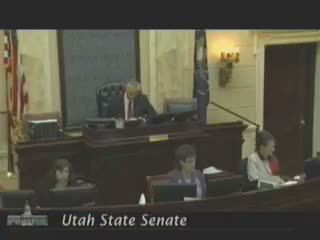
After floor debate about fairness and restraints on future employment, the Utah Senate passed House Bill 345 to restrict retiring legislators from serving as contract lobbyists for one year; supporters framed it as ethics reform, opponents called it a restraint on earning a living.
The Utah Senate voted to pass House Bill 345, a provision of the chamber's ethics package that bars retiring legislators from serving as contract lobbyists for one year. Sponsor Senator Bell described the measure as a way to preserve public trust and to signal that legislators are "citizen servants" rather than lobbyists in training.
Opponents raised the bill's potential impact on individuals' ability to earn a living after public service and questioned whether the law treats all parties equally—particularly when state agencies hire former legislators as employees rather than contract lobbyists. Senator Stevenson asked whether citizens would have "equal treatment" if state agencies could hire people who had recently served in the legislature while ordinary citizens could not afford similar access. Senator Davis argued the restriction may be an improper restraint on post-service employment.
Sponsor reply and vote: Senator Bell said the bill targets contract lobbyists for hire rather than in-house governmental affairs staff and moved final passage on the floor. The roll-call reflected a narrow margin: HB 345 passed 16 yea, 13 nay. The bill will be returned to the House for enrollment and the speaker's signature.
What was said: Senator Bell moved the final-passage motion on the floor: "With that, Mr. President, I would move that House Bill 3 45 pass." Senator Jones, speaking in favor, said registered lobbyists choosing to run for office accept that occupational risk and argued the cooling-off period was reasonable.
Next steps: The measure proceeds to the House for enrollment; affected parties and lobby registration offices may need to work through implementation questions about registration and the scope of the restriction.