Get Full Government Meeting Transcripts, Videos, & Alerts Forever!
Get email alerts on the Land Use Signage topic
No spam. Unsubscribe anytime.
Senators debate billboard relocation rules; amendment to HB141 fails, bill then passes
Summary
Lawmakers argued over proposed clear-view distances and compensation rules for interstate and state-highway billboards in HB141. An amendment to equalize conditions failed on a roll call; the bill later passed on final vote and will be returned to the House for signature.
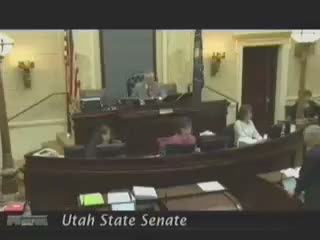
A contested amendment to House Bill 141 — addressing billboard 'clear view' distances and compensation when the Utah Department of Transportation requires relocation — failed in the Utah Senate on March 11 after floor debate, and the bill subsequently passed.
Senator Bell argued the amendment would protect municipalities and sign companies by allowing an alternative clearance standard on non-interstate roads. "If you can't get ClearView in a congested area within 300 feet, then instead of stacking these things higher, you've got to pay them fair compensation," Bell said, arguing that the alternative helped avoid municipalities being left to accommodate stacked, higher signs.
Senator Niederhauser opposed the amendment, urging the body not to reduce the 500-foot protection that improves the chance for relocation rather than condemnation. Senator Butters and Senator Valentine joined opposing statements, saying the extra clearance is a modest consideration compared with the harm of being forced out of a location.
After debate the Senate conducted a roll-call vote on the amendment and the amendment failed. The chamber then voted on the second substitute and the President announced the bill had passed and would be returned to the House for the speaker's signature.
Floor minutes show senators weighed both property-value concerns for sign owners and municipal land-use implications when considering the change. The transcript records the full roll-call tallies and the presiding officer’s announcements for each vote.