Get Full Government Meeting Transcripts, Videos, & Alerts Forever!
Get email alerts on the Public Safety topic
No spam. Unsubscribe anytime.
Senate Approves Ban on Text Messaging While Driving, Elevates Penalties for Serious Harm
Summary
The Senate passed first substitute SB 149 to prohibit text messaging while driving, treating texting as a primary offense in many circumstances and aligning serious incidents with higher penalties; sponsor cited studies equating texting risk to drunk driving.
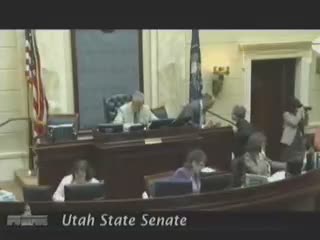
The Utah Senate approved a prohibition on text messaging while driving on Day 30 after extended floor debate that focused on safety, enforceability and scope.
Senator Hilliard, sponsor of the first substitute to Senate Bill 149, said the legislation targets texting because the hand-eye coordination required for texting greatly distracts drivers and, he said citing a study, can be "twice as dangerous as a DUI." Senators questioned narrowly drawn language (whether dialing, using GPS or quick number entry could be covered) and whether the law would be a primary or secondary offense. Sponsors and supporters argued that texting presents a unique and acute distracted-driving risk and that the statute should send a clear signal to drivers and prosecutors.
Senators discussed enforcement nuances: whether built-in vehicle navigation systems or quick dialing could fall within the prohibition, the intended boundaries of the handheld-device language, and whether the bill's penalties would be proportionate to outcomes when harm occurs. Supporters compared the bill's consequences for fatal or injurious crashes to existing drunk-driving penalties and framed the measure as public-safety legislation.
After debate, the Senate recorded final passage of the first substitute to SB 149 (25 yeas, 1 nay, 3 absent). The bill will be forwarded to the House for further legislative action.
Why it matters: The bill creates a statutory prohibition focused on text messaging while driving, intended to reduce distracted-driving crashes and align penalties with the seriousness of harm resulting from violations.
Next steps: The House will consider the Senate-passed substitute; if enacted, law enforcement guidance and statutory interpretation (primary vs. secondary enforcement and covered devices/usages) will determine day-to-day enforcement.