Get Full Government Meeting Transcripts, Videos, & Alerts Forever!
Get email alerts on the Session Votes topic
No spam. Unsubscribe anytime.
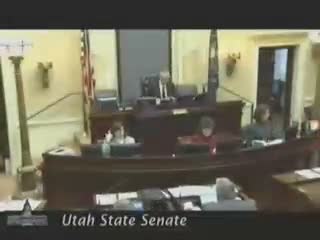
Votes at a glance: Senate Day 36 — key bills advanced to House
Summary
On Day 36, the Utah Senate advanced numerous bills across consent and third‑reading calendars, including measures on aircraft valuation, towing reports, expungement, metals theft penalties, motor vehicle business regulation, annexations, gambling amendments, and multiple others; most passed unanimously or by large majorities.
The Utah Senate moved many items across the consent and third‑reading calendars on Day 36. Several bills passed with little floor debate on voice or unanimous consent; others recorded roll‑call tallies. The clerk and presiding officer recorded the following results and dispositions (summary):
- Consent calendar items (examples): HB320 (collection agency amendments) — passed by unanimous consent; HB210 (posting collective bargaining agreements) — passed (27 yea, 1 nay, 1 absent); HB297 (Budgetary Procedures Act recodification) — unanimous consent.
- Selected third‑reading outcomes: SB210 (aircraft valuation stopgap) — passed (27–0 with 2 absent); SB193 (salvage vehicle amendments) — passed (27–2); HB112 (vehicle towing report requirements) — passed (29–0); HB37 (violent offenses amendments) — passed (28–0); SB163 (construction trade exemption with amendment) — passed (27–0); SB157 (air charter assessment clarification) — passed (27–0); and many others.
- Procedural actions: Numerous bills were circled (set aside for amendment or redrafting) and uncircled for subsequent readings; sponsors frequently moved amendments on the floor and submitted substitute versions for first/second/third readings.
This list is a concise reference for outcome tracking; specific tally counts and sponsor names are recorded in the Senate clerk’s floor record and were read into the record during the session.