Get Full Government Meeting Transcripts, Videos, & Alerts Forever!
Get email alerts on the HB51 Homebrew topic
No spam. Unsubscribe anytime.
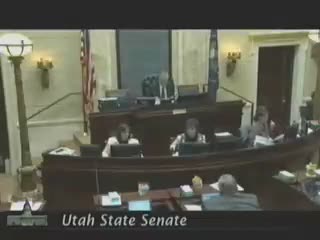
Senate approves HB51 after amendment clarifies home‑brew transport and tasting limits
Summary
After floor amendments to address transport, competition use and tasting quantities, the Utah Senate passed HB51 to exempt homebrewing from a costly commercial license; the amendment aligns tasting limits with federal guidance and the bill passed 25‑2 with two senators absent.
The Utah Senate on Feb. 19 approved House Bill 51, which exempts homebrewing from the commercial licensing regime that requires a $250 application fee, a $3,250 license fee and a $10,000 bond. Sponsors said the change would legalize common home practices without costing the state.
Senator Stoll, the bill sponsor, described the current commercial license as aimed at large producers and said the exemption would make legal “what many are doing.” Senator Valentine moved Amendment Number 1 to address two concerns: the home‑made alcohol’s transport out of the household and use in organized tasting competitions. Valentine said he modeled portions of the amendment on federal standards and proposed removal and tasting limits—examples cited on the floor included total removal allowances such as 72 ounces for certain beers and judge tasting amounts of 1 ounce of wine or 2 ounces of beer per judge in competitions.
The chamber briefly 'circled' the bill (deferred detailed consideration), then later uncircled and adopted the amendment. Senators questioned whether the House sponsor approved the changes and whether the amendment provided sufficient safeguards; Senator Davis confirmed the House sponsor had reviewed the amendment and was comfortable with it. The amendment was adopted and the Senate recorded a roll‑call vote: HB51 passed with 25 yeas, 2 nays and 2 absent. The bill will return to the House for further action.
Supporters emphasized increased access to a hobby and consistency with federal guidance for removal and tasting; opponents raised questions about transport, potential enforcement and whether the bill offered amnesty for prior illegal home production. The record shows the amendment aims to limit tasting and transport amounts and leave enforcement and intent determinations to law enforcement and prosecutors where appropriate.
The next procedural step is return to the House for consideration of the amendment and any further action; the Senate record notes the bill was signed by the President in open session and transmitted for the Speaker's signature.