Get Full Government Meeting Transcripts, Videos, & Alerts Forever!
Get email alerts on the Post Conviction Remedies topic
No spam. Unsubscribe anytime.
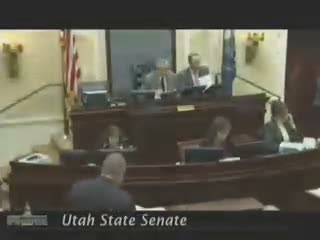
Utah Senate advances constitutional amendment to limit post‑conviction challenges after heated debate
Summary
The Utah Senate voted to place Senate Joint Resolution 14 on the third‑reading calendar after a contentious floor debate. Sponsors say the change will rein in repeated post‑conviction litigation and give victims closure; opponents warned it could curtail longstanding habeas remedies and was rushed without a full record.
The Utah State Senate voted to advance Senate Joint Resolution 14, a proposed constitutional amendment that would make post‑conviction challenges available "only as provided by statute" after direct appeal, with limited exceptions.
Senator Bramble, speaking for the measure and citing work by the Attorney General’s Office, said the amendment would restore legislative authority over post‑conviction remedies and help provide closure for victims. "This amendment provides that following a person's conviction and sentence has been affirmed in a direct appeal... the person may challenge the legality of the conviction or sentence only as provided by statute," he said on the floor.
Supporters argued the current practice has produced lengthy, repeated collateral litigation that delays finality. Senator Greiner described cases that have lingered for decades and said the measure would bring Utah more in line with other jurisdictions.
Opponents cautioned that SJR14 reaches broadly. Senator Hilliard said he feared the amendment would sweep beyond capital cases and noted the Constitutional Revision Commission and other review bodies had not had time to develop a thorough record. He warned the change could remove long‑standing common‑law habeas protections and limit courts' ability to address certain claims.
Senator Bell, an attorney, urged colleagues to consider the constitutional and historical implications of restricting writs and post‑conviction review. Senators on both sides said they had agonized over the decision; the sponsor said the proposal had been under study for years and the Attorney General had proposed it to the Commission.
After extended debate over scope, jurisprudence and victims’ interests, the Senate voted to place SJR14 on the third‑reading calendar with a roll‑call tally of 21 yeas, 6 nays and 2 absent. The resolution will next face final reading and, if approved by the Legislature, would go to voters as a constitutional amendment.
What’s next: SJR14 will be scheduled for third reading; if the Legislature approves it on final passage, the proposed amendment would appear on the ballot for voter consideration.