Get Full Government Meeting Transcripts, Videos, & Alerts Forever!
Get email alerts on the Criminal Justice Modernization topic
No spam. Unsubscribe anytime.
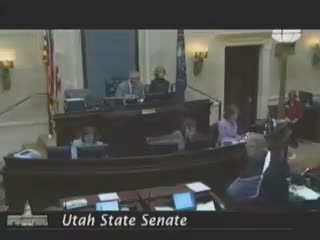
Senate circles electronic‑harassment bill after lawmakers question 'annoy' and 'offend' language
Summary
Senators debated Senate Bill 91, which would modernize 'telephone harassment' to include 'electronic communications.' Lawmakers warned the bill could criminalize ordinary conduct; a floor amendment to remove the words 'annoy' and 'offend' prompted the sponsor to agree to circle the bill for further drafting.
Senate Bill 91, a proposal to update Utah's harassment statute from "telephone" to "electronic communication" harassment and to increase penalties for repeat offenses and offenses involving minors, drew extended floor discussion and a procedural pause. Sponsor Senator Greiner told colleagues the bill modernizes existing law to account for devices such as BlackBerrys and similar electronic communications.
Concerns centered on statutory language carried forward from existing law that uses broad terms such as "annoy" and "offend." Senator Bell moved to amend the bill by striking both words from Line 95, arguing that "harass, threaten, abuse, intimidate and frighten" already cover the intended conduct. Senator Stevenson and others expressed unease that the current wording could criminalize ordinary annoying conduct by members of the public and urged more precise drafting. Senator Greiner said he resisted the amendment but agreed to circle the bill so its language could be refined with stakeholders before third reading.
Sponsor and opponents repeatedly framed the change as intended primarily to assist domestic‑violence victims who were being harassed via electronic devices in violation of protective orders; the sponsor cited a case in which repeated BlackBerry contact continued despite an order prohibiting contact. Following floor debate, the Senate voted to circle SB91 for further work rather than move it forward immediately.
Next steps: the bill is circled for additional drafting and potential amendments, including clarifications on definitions (for example, whether "minor" should account for emancipation) and whether the civil cause of action language should be narrowed. The sponsor and dissenting senators indicated they will work to refine the language before returning to the floor.