Get Full Government Meeting Transcripts, Videos, & Alerts Forever!
Get email alerts on the HJR7 Equine topic
No spam. Unsubscribe anytime.
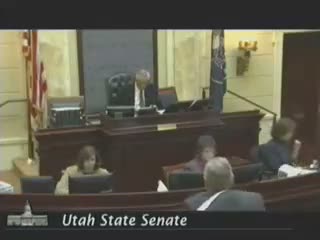
Utah Senate approves nonbinding resolution on horse processing after emotional floor debate
Summary
House Joint Resolution 7, urging Congress to preserve state control over horse transport and processing, drew impassioned testimony both for and against and passed on a recorded vote placing it on the third-reading calendar.
The Utah Senate on Feb. 11 approved House Joint Resolution 7, a nonbinding measure urging Congress to leave decisions about the processing, transport and handling of horses to the states. Sponsor Senator Stoll said federal restrictions have closed U.S. processing plants and created a surplus of horses; he asked Congress not to ban interstate transfers and processing.
Senator Stoll told colleagues the issue is "an emotional issue" that has practical consequences for ranchers and public lands. Sen. Stoll said the resolution seeks to preserve state authority over transport and processing and to request that federal lawmakers ‘‘allow this regulation to happen at the state level.”
Senator McCoy offered an amendment to add the word "enforcement" to a line describing the need for inspection and enforcement of humane practices; the sponsor opposed the change, saying it would expand a nonbinding resolution into an enforcement stance the House had rejected. The amendment failed on a recorded vote.
Supporters and opponents delivered strongly worded floor remarks. Senator Christiansen, speaking in favor, said the measure reflects the practical difficulty of disposing of surplus horses and urged a pragmatic approach. Opponents emphasized moral concerns about processing horses for meat and said they would vote no. The Senate recorded passage of the resolution with 21 yea votes, 7 nay votes and 1 absent, and the item was placed on the third-reading calendar.
Because HJR 7 is a resolution and not a statute, it is nonbinding and serves as a statement of the Senate’s position to federal lawmakers.