Get Full Government Meeting Transcripts, Videos, & Alerts Forever!
Get email alerts on the Senate Leadership Election topic
No spam. Unsubscribe anytime.
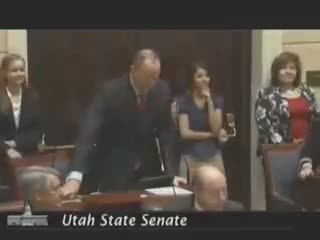
Michael G. Wadips elected president of Utah State Senate and sworn in
Summary
Senators elected and swore in Michael G. Wadips as president of the Utah State Senate during the 2009 organizational session; Wadips framed his term around a call for lawmakers to "measure up" as the body read committee appointments, adopted interim rules and introduced the session's first bills.
The Utah State Senate elected Michael G. Wadips as its president and administered the oath of office during the chamber's 2009 organizational session. Senators closed nominations and, by voice acclamation, approved Wadips before he stepped to the podium and recited the formal oath.
Wadips used his opening remarks to thank family and staff and to lay out a theme for the coming session: public officials must "measure up" to the trust placed in them. He urged optimism in the face of reduced revenues and emphasized fiscal restraint, saying the state should manage shortfalls "without raising all of the taxes" and without relying on a federal bailout. "I challenge each of us to discharge our duties with fidelity and to keep our word," he said.
The election of a Senate president set the leadership and procedural tone for the 2009 session. Following the swearing-in, senators moved to spread Wadips' remarks in the Senate Journal and to approve the majority and minority leadership slate by voice vote. The session record shows that leadership positions and committee assignments were announced and approved as part of the organizational routine.
Following the organizational actions, the Senate introduced its first‑reading bills (more than 100 measures were read by short title and referred to the Rules Committee) and then recessed for a joint convocation in the House Chambers where Chief Justice Spern was scheduled to deliver the State of the Judiciary.
Next procedural steps noted in the session: committee work on referred bills and the Rules Committee meeting called to convene later in the day. The Senate adjourned for the recess until the joint convocation.