Get Full Government Meeting Transcripts, Videos, & Alerts Forever!
Get email alerts on the Healthcare topic
No spam. Unsubscribe anytime.
Senate defeats proposal to expand loan-repayment program for geriatric professionals
Summary
Senate Bill 111, which would have expanded the Healthcare Workforce Financial Assistance Program to include loan-repayment assistance for geriatric professionals, failed after extended debate over scope and targeting of limited funds; the bill was defeated in roll call vote 10–16.
Senator Davis introduced Senate Bill 111 to expand the state’s existing Healthcare Workforce Financial Assistance Program to include geriatric physicians, nurses and allied healthcare practitioners, arguing the change would help address the growing needs of an aging population and improve access to specialized care outside the Wasatch Front.
Davis said the bill "adds geriatric specialists" to the loan-repayment program and aims to encourage more practitioners to serve rural and underserved communities. "Utah's 75-plus population is projected to increase by 140% in the next 25 years," Davis said, framing the bill as a response to demographic change.
Opponents questioned whether the change diverted scarce resources from the program’s original purpose of encouraging providers to practice in underserved rural areas. Senator Knudson asked whether expanding eligibility would reduce funds available to those targeted for rural placement. Senator Valentine said removing the restriction to underserved areas meant geriatrics could receive assistance regardless of location, which he argued altered program priorities.
Senator Hilliard declared a conflict of interest but voted aye after explanation; debate touched on advisory-committee composition, eligibility, and whether geriatric emphasis would dilute rural incentives. Sponsors and the health department argued advisory committees and existing statute would guide allocations.
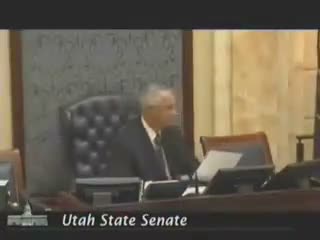
On roll call the Senate recorded 10 yea votes and 16 nay votes; the presiding officer announced the bill failed and would be filed.
Why it matters: Lawmakers disagreed on whether loan-repayment funds — a limited resource — should be broadened to a new specialty area statewide or retained with a geographic focus on underserved areas. The defeat preserves the program’s existing targeting and leaves open future, more narrowly tailored measures.
Next steps: SB111 failed in the Senate and was filed; sponsors may reintroduce narrower proposals or pursue other mechanisms to encourage geriatric practitioners in shortage areas.