Get Full Government Meeting Transcripts, Videos, & Alerts Forever!
Get email alerts on the Energy Policy topic
No spam. Unsubscribe anytime.
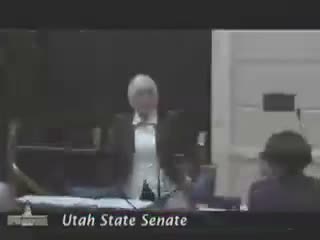
Senate narrowly rejects amendment to add nuclear power to renewable-energy resolution
Summary
Senators debated whether to add 'nuclear' to a nonbinding resolution encouraging local wind, solar and geothermal ordinances. An amendment to include nuclear failed after extended debate; the original renewable-energy resolution then passed 27–1.
Senator Jones, sponsor of the first substitute to Senate Joint Resolution 1, told the Senate the nonbinding measure urges local governments to consult the state energy program to develop model ordinances for wind, geothermal and solar to spur renewable energy development and economic opportunity.
The floor erupted into a substantive debate after Senator Butters offered Amendment 1 to add 'nuclear' to the resolution’s list. "I believe it is renewable when you talk about an energy source that could last 100,000 years on this Earth," Butters said in support of the amendment, arguing nuclear deserves equal footing with other sources.
Opponents pressed that nuclear is a different policy and regulatory matter. "Nuclear power is already regulated and is regulated by the federal government," Senator Davis said, arguing the state energy program’s charge is to support wind, geothermal and solar and that adding nuclear would change the scope. Senator McCoy echoed concerns about mixing distinct debates: "Nuclear energy may be a perfectly appropriate form of electric generation, but it is not renewable," he said.
Other senators framed the choice as practical and procedural. Senator Romero called the amendment "nonfriendly" because it was not discussed with the resolution sponsor and said adding nuclear would take the chamber down a different path. Supporters of the amendment, including Senator Bramble and Senator Matson, urged consideration of nuclear as part of a broader energy strategy to meet baseload and peak demand.
After the back-and-forth, the amendment failed on a standing vote (11 in favor, 14 opposed). Senator Jones then cast the measure for passage in its original form; the first substitute SJR1 passed on roll call 27–1 with 1 absent.
Why it matters: Although nonbinding, the resolution signals the Senate’s policy preference for state-supported model ordinances for wind, solar and geothermal — and the failed amendment highlights ongoing disagreement over whether nuclear should be included in the state’s definition or promotion of renewable energy. The debate reflected concerns about regulatory jurisdiction, technical definitions of 'renewable' and the political implications of labeling nuclear alongside wind and solar.
Next steps: The resolution will be transmitted to the House for consideration.