Get Full Government Meeting Transcripts, Videos, & Alerts Forever!
Get email alerts on the Ethics Reform topic
No spam. Unsubscribe anytime.
Senate advances ethics overhaul creating independent commission, narrows public‑meeting exceptions
Summary
The Utah Senate moved three linked measures forward that create an Independent Ethics Commission, limit public access during preliminary investigations and set reporting requirements; supporters said the package balances transparency with protection for accused lawmakers, while critics warned it could shield information.
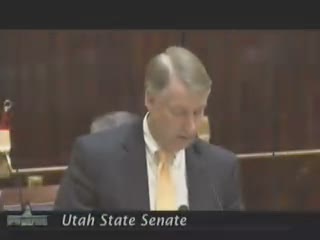
The Utah Senate on Feb. 22 passed a package of measures establishing an Independent Ethics Commission and setting how complaints and records will be handled.
Senators approved first substitute Senate Bill 136, which generally makes the new Independent Ethics Commission subject to the Open Meetings Act but allows meetings to be closed when the commission is receiving or reviewing an ethics complaint or when members vote to close a meeting to receive legal advice or deliberate procedural or evidentiary matters. The sponsor, Senator Valentine, said the carve-outs are intended to protect the integrity of investigations and the reputation of accused legislators while preserving public reporting once an investigation concludes.
Senate Bill 138, amended on the floor, protects complaint records during investigation and requires records to be opened if the commission finds cause; the amendment also added a requirement for summary reporting of meeting times, agendas and other metadata, at the request of media representatives. Sponsor Valentine said those GRAMA-related provisions would give the public more access than the current model once a cause finding exists.
Senate Joint Resolution 3 (the joint resolution on ethics complaint procedures) was substituted and amended to require annual public reports describing the commission’s activities, counts of complaints, summaries of recommended complaints and a budget accounting modeled on the Judicial Conduct Commission’s reporting. A friendly amendment removed a provision that would have delayed disclosure of findings within 60 days of an election, allowing the commission’s findings to be disclosed before an election when merited.
Supporters said the package shifts investigatory functions to a body independent of the legislature, increases transparency by reporting aggregate complaint data and results, and protects legislators from baseless smear campaigns. Senator McAdams and others voiced caution about exemptions from the Open Meetings Act, while multiple senators emphasized the need to balance openness and due process. Senator Romero said he would continue to press for clearer notice mechanisms and said he wanted to work with the media coalition on language for third reading.
Vote counts recorded on the floor: first substitute SB136 received 22 yea votes, 5 nay votes and 2 absent; SB138 passed with 25 yea, 1 nay and 3 absent; the second substitute of SJR3 passed 26 yea, 1 nay and 2 absent. Each measure was placed on the third‑reading calendar.
The sponsor said he would consider further refinements on third reading, including whether the commission should be permitted to give notice of a closed meeting in certain circumstances. The Senate took no final disciplinary action on any individual during the session; the bills establish process and reporting rules for future complaints.