Get Full Government Meeting Transcripts, Videos, & Alerts Forever!
Get email alerts on the Initiative Signature Removal topic
No spam. Unsubscribe anytime.
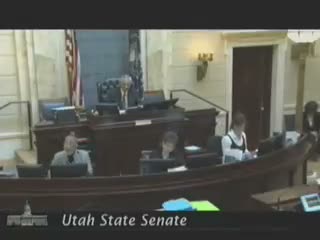
Senate advances change to initiative signature‑removal process after heated debate
Summary
The Utah Senate passed a second substitute to SB275 to remove the notarization requirement for withdrawing signatures from initiative or referendum petitions, replacing it with a signed statement verified by county clerks; a proposed amendment to limit removals to an April 15 cutoff failed after extended debate.
The Utah Senate on Day 29 passed a second substitute to Senate Bill 275, changing how citizens may remove their signatures from initiative and referendum petitions by eliminating the prior notarization requirement and replacing it with a signed statement containing identifying information for verification.
Sponsor Senator Stevenson said the substitute removes the notarized-signature requirement and creates a simpler verification process: a signed statement requesting removal that includes the signer's address, the last four digits of the signer's Social Security number and the signer's driver's license or state ID number. That information, Stevenson said, will be sufficient for county elections clerks and the lieutenant governor's office to verify and exclude the removed name when counting petition signatures.
The bill prompted an extended floor fight over the timing and fairness of the removal window. Senator McAdams offered Amendment No. 1 to the second substitute that would have limited the time for removing a signature to April 15 of an election year — matching the deadline proponents face to submit signatures. McAdams argued the amendment would “level the playing field” and prevent opponents from targeting recently listed signers during the county-certification period.
Sponsor Stevenson and several supporters opposed the amendment. Stevenson said allowing a short post‑submission window for removal exposed a legitimate avenue for voters to rescind signatures obtained under pressure or misinformation and described the change as an effort to protect citizens from deceptive signature-gathering. He described petition circulation practices in which signers might not see full text at the time of signing and said the simpler removal procedure restores a reasonable path to withdraw a name.
Senators debated with concrete examples and constitutional context. Senator McAdams cited the Utah Constitution (Article 6, Section 1) and urged parity for proponents and opponents; opponents warned the change could be used by well-funded interests to defeat initiatives after narrow signature thresholds are met. The amendment was called to division and failed on the floor.
After further debate — in which opponents characterized the bill as an “assault on the initiative process” and backers called it a guard against “hucksters in gathering signatures” — the Senate passed the second substitute and placed SB275 on the third‑reading calendar. The transcript excerpt did not include a clear roll‑call tally for final passage in the chamber; the journal entry places the measure on the third‑reading calendar for a future vote.
What changed and why it matters: Under prior practice, a signer seeking to remove their signature typically had to submit a notarized statement to the county clerk, a process backers described as unduly burdensome. The substitute standardizes a non‑notarized verification that county clerks and the lieutenant governor can use to confirm identity, intended to make withdrawal feasible without charging fees or requiring notarization. Critics contend the change lowers the practical barrier for organized efforts to remove signatures during certification windows and urged a synchronized deadline between proponents and those wishing to withdraw.
Next steps: The Senate placed the second substitute of SB275 on the third‑reading calendar; the bill will return for final passage (or further amendment) at a later floor stage.