Get Full Government Meeting Transcripts, Videos, & Alerts Forever!
Get email alerts on the Employment Policy topic
No spam. Unsubscribe anytime.
Senate rejects bill offering optional on-the-job hiring pathway for people with disabilities
Summary
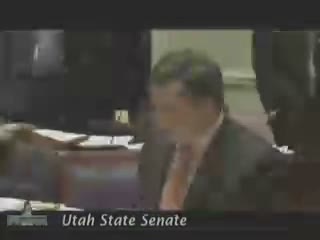
After extended floor debate about fairness and competitive hiring, the Utah Senate voted down House Bill 17, which would have allowed an optional department-approved on-the-job examination (a six-month phase) to help qualified applicants with disabilities demonstrate job performance.
A closely watched measure on March 2, 2010 — House Bill 17 — failed on the Senate floor after extended debate about whether an optional on-the-job hiring route for qualified people with disabilities would unfairly circumvent competitive hiring processes.
Sponsor Senator Lillian Lilienquist presented the bill as a voluntary option for state departments, noting the measure would allow a department-approved on-the-job examination and extend the existing one-year on-the-job training period by six months (creating an 18-month window with the first six months designated as a formal examination). The sponsor said the change was intended to help applicants who face barriers with online application systems or standard interviews — the sponsor specifically cited blind applicants who may need alternate means to demonstrate competency.
Opponents argued the bill would short-circuit the competitive hiring process and might preempt other qualified applicants. Senator Madsen spoke against the bill, asserting, "I do not believe that we should cut other people out preemptively of a job that they might be qualified for," and urged adherence to competitive norms. Senator Jenkins warned of unintended negative impacts from well-intentioned preferences, giving an example where preferential contracting led to economic harm for other firms.
Supporters including Senator Robles and Senator Romero described the measure as an optional, voluntary tool to create opportunity and allow departments to evaluate candidates who might otherwise be excluded by conventional hiring practices; Senator Jones noted private-sector experience hiring people with disabilities and the benefits for self-sufficiency.
After summation, the Senate recorded a roll-call vote that, per the transcript, left House Bill 17 failing to pass. The transcript lists the final tally as 14 yea, 11 nay and 4 absent; the chamber announced the bill "fails to pass" and it will be filed accordingly.
Clarifying details from the floor: - Sponsor explanation: the bill creates an optional on-the-job examination for hiring departments and explicitly requires a certification of disability so the designation is not claimed without corroboration. - Practical scope: the sponsor said primary impact intended for blind individuals who face hurdles in online application processes; the 6-month on-the-job test is not mandatory, but an available hiring pathway.
Next steps: With the failure on the Senate floor, the bill will not advance in its current form unless reintroduced or modified in a subsequent session. Advocates and agencies interested in alternative hiring pathways may pursue administrative or pilot approaches that do not require statutory change.