Get Full Government Meeting Transcripts, Videos, & Alerts Forever!
Get email alerts on the Geothermal Pools topic
No spam. Unsubscribe anytime.
Senate approves bill easing color/clarity rules for geothermal pools while keeping bacteriological safeguards
Summary
The Utah Senate passed Senate Bill 163 to treat geothermal pools differently from conventional swimming pools, preserving bacteriological safety standards but preventing mineral color, dissolved solids and deposit issues from automatically triggering closures. Supporters said the change resolves inconsistent enforcement; opponents warned of public-health risks and special exemptions.
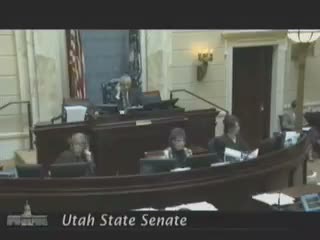
Senator Madsen pushed the Senate to adopt Senate Bill 163, saying the measure recognizes the technical differences between geothermal pools and conventional swimming pools and prevents subjective clarity or color tests from being used to close facilities that rely on mineral water.
“The water that comes out of the ground … the color of the water, the dissolved solids and the deposits are not to be regulated like a swimming pool,” Senator Madsen said, explaining the bill’s intent to preserve bacteriological standards while excluding naturally occurring mineral characteristics from enforcement triggers.
The bill creates a statutory definition of geothermal pools, clarifies which water-quality metrics remain enforceable, and distinguishes member-owned private facilities from public pools in specified procedural ways. Supporters, including facility operators such as Crystal Hot Springs, said inconsistent local application of clarity tests has forced some pools into repeated, subjective enforcement disputes.
Opponents raised public-safety concerns. Senator Jones said she worried that parents might assume all pools meet conventional public swimming standards: “My greatest concern is that people will go into this pool with their children … unsuspecting and assuming that the rules and regulations would be there for their health.” Other critics, including Senator Christensen, warned the bill could amount to a narrow exemption for individual facilities and set an undesirable precedent if member-owned entities are treated differently from publicly regulated pools.
Sponsors offered amendments during floor debate to narrow the scope of the exclusion and preserve public-health-related provisions (toilet/showers and bacteriological testing remain subject to inspection). The sponsor noted the bill keeps public-health authority to respond in the event of illness: if a sickness occurs, health officials may take independent water measurements.
After extended discussion and technical amendments, the Senate passed the bill on final passage. The measure will move to the House for further action.
The floor debate highlighted competing priorities: industry and facility operators seeking regulatory certainty about mineral-driven characteristics, and public-health-minded senators urging safeguards, clear signage, and retained health-department authority to act when contamination is suspected.
The Senate also debated fiscal and rule-making history surrounding geothermal regulation; sponsors emphasized they had worked with administrative rules testimony and incorporated amendments requested by the health department.
The next step for the bill is House consideration; the Senate's action changes statutory treatment but leaves bacteriological protections intact pending any further amendments in the lower chamber.