Get Full Government Meeting Transcripts, Videos, & Alerts Forever!
Get email alerts on the Water Policy topic
No spam. Unsubscribe anytime.
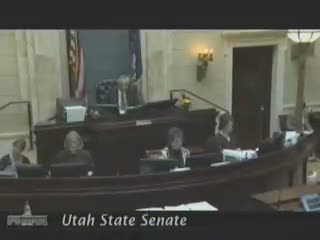
Utah Senate rejects bill to expand water-share transfers after agricultural and legal concerns
Summary
Senate Bill 99, which would have clarified and expanded shareholders' ability to change water-use locations, faced extensive debate over agricultural impacts and judicial vs. legislative authority and failed on final passage.
Senator Valentine presented Second Substitute Senate Bill 99 as a legislative response to a line of court decisions, arguing that courts have been setting rules in this area "and the court is making up the rules in this area, not the legislature." He described historical cases and said the bill would allow shareholders to seek use of their water where they could achieve the "highest and best beneficial use," while protecting companies and remaining shareholders through conditions and the existing state-engineer review.
Opponents pressed several risks: Senator O'Kelan called the change "more than just a small change" and said it would make it easier for agricultural water to shift to development, reduce open space, and increase litigation; Senator Stone and others said the proposal should be sent to interim study and to the Natural Resources committee for broader stakeholder input. Multiple senators warned it could prompt more court cases and require greater involvement by the state engineer.
Senator Valentine offered a technical floor amendment (changing an "or" to "and" in the statutory test) and explained the change would strengthen protections for water companies and shareholders. After summation and a roll call, the chair announced the result: "Second substitute, Senate Bill 99, having received 9 yea votes, 19 nay votes, 1 being absent, fails to pass." Several senators said the issue will resurface and requested interim study.
The debate focused on the tradeoffs between legislating water-transfer rules and allowing judicial development of doctrine, and on potential long-term impacts for agriculture, open space and water administration.