Get Full Government Meeting Transcripts, Videos, & Alerts Forever!
Get email alerts on the Real Property Transfer Fees topic
No spam. Unsubscribe anytime.
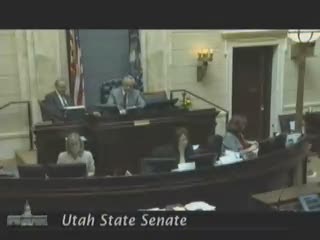
Senate passes bill limiting third‑party transfer fees, allowing HOA recovery for REO sales
Summary
The Utah Senate passed first substitute Senate Bill 161 to prohibit third parties from collecting transfer fees that do not benefit the property, while allowing homeowners associations to recover actual documented costs (capped) when a foreclosed property is sold from bank ownership to a private buyer. The bill includes notice and recording requirements and an immediate effective date with a limited compliance window.
Senators passed first substitute Senate Bill 161 after extended debate over the past practices of placing transfer fees on property and allowing third parties to collect revenue streams unrelated to property maintenance or improvements. Sponsor Senator Madsen said the bill "makes that practice going forward illegal," while preserving transfer fees that "go back into improvement of the property," such as homeowners association (HOA) fees that benefit the land and common facilities.
The bill targets arrangements in which a third party with no present interest in a property continues to collect a fee each time the property is transferred. Senator Madsen told colleagues the bill does not eliminate transfer fees that are designed to benefit the property (for example, CC&Rs tied to homeowners associations). "If a fee is placed on a piece of property that is in a homeowners association...the fee can be collected when the property is transferred and they can go to benefit that entity," he said.
Lawmakers adopted two floor amendments. Amendment No. 1 reorganized and clarified nonprofit association rules and related notice provisions. Amendment No. 2 created a limited exception for previously bank‑owned (REO) properties: when a property that passed through foreclosure is later sold by a bank to a private owner, a homeowners association may collect actual, documented costs (capped in the bill, discussed on the floor as a $250 illustrative upper limit) associated with bringing a new owner into the community (document preparation, access cards, minor cleanup). Senator Madsen explained this change responded to homeowners associations that still incur costs after foreclosure sales.
Debate focused on several practical points. Senators asked whether the HOA collection would become a first-priority encumbrance on the property and whether the bank or purchaser would bear the cost. Senator Valentine and others pressed on the effective date language and the window provided for existing covenant holders to file notice; sponsors clarified the bill is not retroactive, gives an immediate effective date, but provides a compliance window through May 31 for parties with existing covenants to record required notices so they do not lose portions of their transfer fees. Senator Greiner and others voiced concerns about small counties, assignment of revenue streams and whether title companies and buyers could clearly identify fees at closing.
Senator Lillianquist warned against opaque fee arrangements, calling some transfer-fee practices "a very sneaky way...of equity skimming," a concern echoed by other members who said notice requirements were essential to protect buyers and lenders. Supporters said the bill follows reforms in other states and is intended to protect property rights while allowing property‑benefiting fees to continue under clear rules and recording requirements.
On final passage the Senate recorded 25 yea votes, 0 nays, and 4 absences; the bill will be transmitted to the House for further action. The bill's text and amendments include recording, notice and effective‑date language intended to grandfather existing recorded fees while preventing new third‑party revenue streams that do not benefit the property.