Get Full Government Meeting Transcripts, Videos, & Alerts Forever!
Get email alerts on the Custodial Interference topic
No spam. Unsubscribe anytime.
Senate debates tougher penalties, license suspensions in custodial interference bill
Summary
Senate floor debate over House Bill 197 centered on escalating penalties for custodial interference, a contested reclassification of first-offense penalties and a proposed license-suspension remedy; sponsors said the changes aim to give courts 'teeth' to enforce visitation, while opponents warned about enforcement burden on law enforcement and fiscal implications.
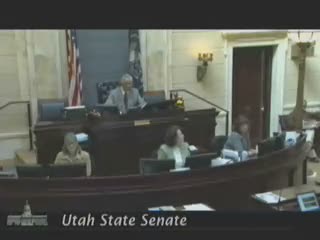
Senators on the Utah Senate floor debated House Bill 197, a custodial interference amendment that would create escalating criminal penalties and administrative sanctions for parents who deny court-ordered visitation. Sponsor Senator Madsen described the bill as a way to provide an enforceable remedy for parents deprived of court-awarded access and said the fifth substitute adds driver-license suspensions as a non-incarceration sanction.
The bill originally proposed a continuity of misdemeanor classes with a path to felony in more severe circumstances. Senator Madsen said, after negotiation, the first offense would be changed to a Class C misdemeanor, the second to a higher class, and repeat or more egregious offenses could be charged more severely. The fifth substitute added automatic license-suspension provisions (30 days for first offense, 90 days for second, 180 days for later serious offenses) as an enforcement mechanism separate from jail time. The sponsor also said the bill includes affirmative defenses for safety or abuse concerns so legitimate protections for children remain available.
Opponents, including Senator Greiner and other floor members, flagged practical enforcement concerns. They argued the substitute moves some enforcement responsibility into the field—requiring law enforcement to interpret and act on civil custody orders—and questioned whether local agencies have the resources or legal clarity for on-the-spot enforcement. Senator Valentine warned the addition of felony language could trigger a fiscal note; the sponsor responded that the fiscal exposure stems mainly from the license-suspension mechanism and that a formal fiscal note would be provided at third reading.
Procedurally, the Senate voted to delete the fourth substitute and insert the fifth substitute; that motion carried. Senators then moved to circle the bill so the sponsor could prepare specific amendment language for the change. No final third-reading vote on the substantive bill or a final enactment vote appears in the transcript; sponsors indicated they expect a fiscal note and additional floor action on third reading.
The next procedural steps: the fifth substitute was adopted into the bill for floor amendment consideration and the bill was circled for further amendment and fiscal analysis before a final third-reading vote.