Get Full Government Meeting Transcripts, Videos, & Alerts Forever!
Get email alerts on the HB201 Novelty Lighters topic
No spam. Unsubscribe anytime.
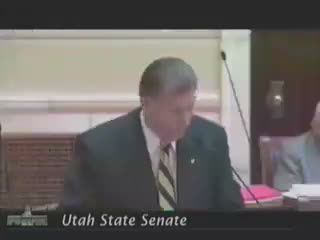
Senate declines novelty-lighter ban after divided floor debate over safety and scope
Summary
Sen. Bramble’s bill to restrict novelty toy lighters that resemble children’s items drew strong debate on health-and-safety grounds and concern about overreach; after recorded votes the Senate rejected House Bill 201, 10–15. Sponsors cited national juvenile-fire data; opponents said Utah-specific evidence was lacking.
House Bill 201, which would have regulated novelty lighters that resemble toys or other child‑appealing objects, failed on the floor after a robust debate over safety, scope and administrative authority.
Sponsor Sen. Bramble framed the bill as a health‑and‑safety measure and said legislative research confirmed administrative‑rule authority could address narrow situations such as gifts. In presenting national data he asserted juvenile fire‑setting is a growing problem and cited figures he said were in national reporting: more than 300 annual deaths and nearly $1 billion in property damage, with 30% involving children. "Juvenile fire setting is a rapidly growing problem in The United States," the sponsor stated on the floor.
Opponents countered that committee testimony could not identify a single Utah fire directly caused by novelty lighters and warned the bill could be an overbroad constraint on free enterprise and manufacturing. Sen. Greiner said the committee “couldn't cite 1 single fire in this state by example” tied to these devices. Other senators raised concerns about the bill's language on distribution and its reach to in‑state manufacturers producing items for out‑of‑state sale.
After debate the Senate voted on final passage and the bill failed: 10 yeas, 15 nays, 4 absent. The presiding officer announced HB 201 would be filed (failed to pass). Several senators signaled they would pursue administrative‑rule clarifications or future legislative fixes should the topic return.
Why it mattered
Proponents described HB 201 as a preventive safety policy aimed at keeping potentially deceptive ignition devices out of children’s hands; opponents argued the state lacked Utah‑specific evidence to justify the restriction and warned of unintended consequences for manufacturers and sellers.
Outcome
House Bill 201 failed final passage on the Senate floor and will not advance from this chamber in this form. Sponsors and opponents left open the possibility of rulemaking or future legislative refinements.