Get Full Government Meeting Transcripts, Videos, & Alerts Forever!
Get email alerts on the Climate Resolution topic
No spam. Unsubscribe anytime.
Senate debate splits over climate-change message resolution; supporters urge review, opponents warn delay risks
Summary
Senate debate over HJR12 exposed a clear split: sponsors asked the federal government to delay action for a decade while opponents urged preventive steps now and warned the message could discourage scientific work and timely policy.
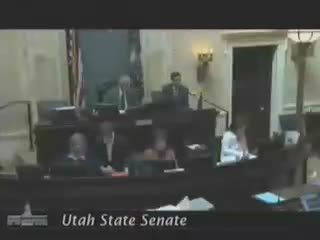
A floor debate over a message resolution on climate change exposed a sharp split among Utah senators on whether to urge federal authorities to delay major climate regulation.
Senator Jenkins, sponsor of House Joint Resolution 12, framed the measure as a cautionary message to federal policymakers. "For heaven's sakes, let's hold off for 10 years," Jenkins told colleagues, arguing the economic stakes are enormous and calling for additional peer review and verification of scientific findings before large-scale policy actions.
Several senators pushed back. Senator McAdams argued that it is prudent to begin protective measures now: "I think the smarter thing to do is to start reacting today... If the science turns out in 10 years that our reaction was not necessary, at least we've made steps and taken measures... It's okay to have cleaner air." McAdams also expressed concern about the signal the resolution might send to academic researchers and the governor's planned climate summit.
Senator Niederhauser defended the resolution and questioned the assumptions about a continuing trajectory of carbon use, saying historical cycles and resource limits affect future emissions and urging focus on traditional air-pollution controls.
The debate included recitations of external petitions and historical reporting; the sponsor read aloud language purporting to show a large group of scientists signed a petition skeptical of catastrophic human-caused warming. Opponents cautioned that scientific consensus and state-level policy responses should not be deferred for a decade.
Outcome and context
After extended discussion and summation, the Senate advanced the resolution and placed it on the third-reading calendar. The resolution is a message to federal agencies and does not itself change state law, though senators warned that the symbolic message could influence federal and academic behavior.
Next steps
HJR12 will appear on a future third-reading calendar for final action and could prompt follow-up hearings or requests for additional scientific briefings from state experts.