Get Full Government Meeting Transcripts, Videos, & Alerts Forever!
Get email alerts on the SB113 Wireless Minors topic
No spam. Unsubscribe anytime.
Senate rejects bill to restrict wireless-phone use by minors while driving after amendment to secondary offense
Summary
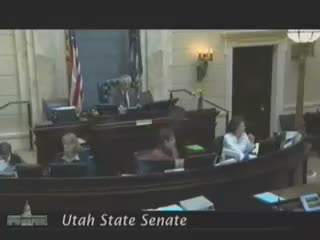
Sen. Romero moved to make restrictions on wireless-phone use by minors a secondary offense; after floor debate and recorded roll call the Senate rejected final passage of SB 113, with 12 yeas and 15 nays. Sponsors and opponents debated safety vs. freedom trade-offs.
The Utah Senate considered Senate Bill 113, a proposal to restrict wireless‑phone use by minors while driving. Sen. Romero explained his floor amendment (Amendment No. 2) would make the restriction a secondary offense rather than a primary one, a change he said would find more support in the House.
"What this bill would do would make this a secondary offense," Sen. Romero said when introducing Amendment No. 2. The floor debate that followed ranged from public‑safety endorsements to concerns about unintended consequences and enforcement. Sen. Robles said recent studies on cell‑phone–related fatalities underscore the need to protect young drivers, calling the measure “a next step” to keep children safe. Other senators, including Sen. Urquhart and Sen. Valentine, described nuanced situations where cellphone use by young drivers could be appropriate and voiced reservations about changing driver freedoms.
After discussion and recorded roll call, the final vote on Senate Bill 113 failed: 12 yeas, 15 nays, and 2 absent. The Senate’s decision ends consideration of the measure in this chamber for now.
What proponents said
Proponents argued the measure would reduce distraction and road fatalities among young drivers. Sen. Robles said the bill is about "protecting minors" and creating a culture of safety similar to seat‑belt laws.
What opponents said
Opponents cautioned about restricting individual freedoms and highlighted scenarios where phone use could safely assist a young driver (for example, when a parent helps a disoriented teen). Several senators said they preferred the issue be approached differently or made into a secondary offense rather than primary enforcement.
Outcome and next steps
Senate Bill 113 failed final passage on the Senate floor and will not advance from this chamber unless reintroduced or otherwise revived later in the session.