Get Full Government Meeting Transcripts, Videos, & Alerts Forever!
Get email alerts on the Water Rights topic
No spam. Unsubscribe anytime.
Senate advances bill tightening process for moving irrigation-company water beyond historic service areas
Summary
After extended debate, the Senate voted 16–9 to advance second substitute Senate Bill 99, which creates additional company- and state-engineer-level tests before shareholders can change where irrigation-company water is used outside historic service areas. Supporters said it protects beneficial use; opponents warned of litigation, fiscal costs and threats to ditch systems.
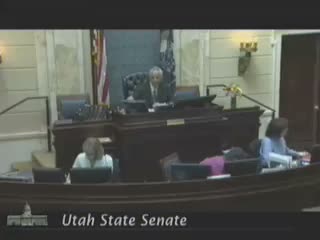
Salt Lake City — The Utah Senate moved second substitute Senate Bill 99 forward after hours of debate on whether and how irrigation-company water shares may be used outside a company’s historic service area.
Sponsor Senator Valentine told colleagues the bill establishes a two-tier approval process. A shareholder seeking to change where water is used must first obtain approval from the water company; if approved, the request then goes to the state engineer, who must verify statutory criteria are met, including that the change will not cause interference with others’ water rights, will not harm the natural stream environment, and will not be detrimental to public welfare.
Supporters argued the measure provides clarity and prevents courts alone from resolving complex water-transfer questions. “Water is a precious, scarce resource,” said Senator Stevenson, who urged policy that prevents hoarding and promotes beneficial economic use. Valentine said the substitute incorporates changes made during interim review and added protections for both companies and shareholders; he disclosed a conflict of interest, noting his office represents both water companies and shareholders.
Opponents pressed technical and procedural concerns. Senator Jenkins warned that removing “carry water” used to convey flows in ditch systems could disable distribution for downstream irrigators, and said he was uneasy about potential impacts on individual rights. Senator Oberland and others said mandatory language in the bill shifts burdens to water companies without clear definitions of “reasonableness,” raising the prospect of more litigation and administrative cost. Senator Van Tassel said the fiscal note likely understates the workload and legal costs the state engineer could face as disputes are adjudicated.
Senator Stahl recounted that stakeholders were denied an earlier opportunity to testify during interim committee consideration and asked that the bill be sent back for further study; others urged moving ahead with the statutory clarifications. After a roll-call explanation of votes, the Senate announced the bill passed by 16–9 with four absent and placed it at the bottom of the third-reading calendar.
The bill’s next procedural step is third reading; proponents said the measure aims to balance protection of irrigation systems and shareholders’ ability to pursue alternate uses, while critics cautioned the proposal could shift water out of agriculture and into other uses without sufficient stakeholder consensus.