Get Full Government Meeting Transcripts, Videos, & Alerts Forever!
Get email alerts on the Unemployment Insurance topic
No spam. Unsubscribe anytime.
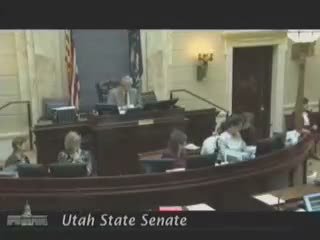
Senate debates federal boost to unemployment trust, tables final action on House Bill 18
Summary
Senate debated House Bill 18, which would apply a one-time $20 million federal boost and an alternative base period to unemployment insurance eligibility; lawmakers raised concerns about long-term entitlements and fiscal exposure and ultimately tabled the bill on third reading for further review.
Senate lawmakers spent an extended period debating House Bill 18, a measure that would create an alternative base period for unemployment insurance benefit calculations and make a one-time $20 million federal infusion available to the state trust fund.
Senator Niederhauser, the sponsor, told colleagues the change would expand eligibility by considering an alternative set of quarterly wages and estimated it would benefit roughly 50 claimants annually. He said the package would “create an alternative base period” and provide “a $20,000,000 boost into our trust account.”
Opponents raised fiscal and policy concerns. Senator Hilliard questioned whether the state should accept one-time federal dollars that could create ongoing entitlements and asked whether part-time workers and relocation rules required under the federal arrangement were addressed; the sponsor said those specific ARRA conditions were not included in the bill. Senator Ricard said he voted against the measure in committee and warned that the change could increase perceived entitlements over the long term.
Supporters, including Senator Robles, said the policy would provide short-term income to people who otherwise would not qualify, arguing it “is a good policy” to maintain spending in the economy and help claimants.
Senators discussed mechanics and costs: the sponsor cited agency estimates that the alternative rule could cost about $625,000 per year in ongoing liability while producing a near-term $20 million federal boost. Several senators pushed for additional legislative oversight; an amendment was adopted to require interim committee review and future reporting.
After debate a motion initially moved the bill to third reading, but senators then voted to table the bill on third reading to allow more time for review of fiscal impacts and policy implications. The motion to table carried, leaving the bill in a paused status pending further committee or floor consideration.