Get Full Government Meeting Transcripts, Videos, & Alerts Forever!
Get email alerts on the Higher Education Funding topic
No spam. Unsubscribe anytime.
Senate approves mission-based higher-education funding bill with amendment to protect institutions that absorbed unfunded growth
Summary
Senate Bill 97 would move funding away from pure enrollment growth toward institution-specified missions and performance measures; Senators adopted an amendment to request Board of Regents recommendations to 'true up' institutions that previously absorbed unfunded growth.
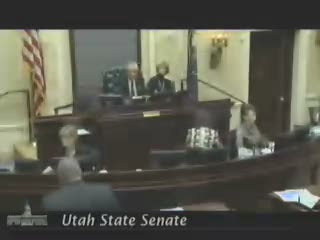
Senate Bill 97, described by sponsor Senator Eckhart as a "mission-based funding" approach, received floor time and approval after amendment. The bill asks public higher-education institutions to identify three priorities (for example, economic development or completion rates) so the state can align funding with institutional missions rather than simply funding "warm bodies."
Senator Eckhart and supporters argued the change will improve accountability and encourage excellence at research institutions while allowing community colleges to remain growth-focused. In floor debate he singled out completion-rate differences as an example: "the University of Utah with a 56 [percent completion rate] versus Brigham Young University at 78 percent in six years," and said the policy seeks better alignment of funding with outcomes.
Senator Valentine offered Amendment 8 to require the Board of Regents, concurrent with adopting mission-based funding, to develop a plan to "true up" institutions such as UVU, Dixie and SLCC that absorbed unfunded growth and may fall below thresholds for being state-sponsored institutions; he said UVU was at 42 percent state support and that some schools risked accreditation and other consequences. The sponsor supported the amendment and the floor adopted it. The bill passed the Senate and was placed on the third-reading calendar for final passage.
Why it matters: The bill shifts the state's financing incentives for higher education, tying funding to institutional mission and performance metrics rather than raw enrollment growth. Proponents argued it will improve return on taxpayer investment and elevate institutional quality; critics warned about transitional harms for institutions that absorbed unfunded enrollment increases.
Next steps: Senate placed SB97 at the bottom of the third-reading calendar for final passage consideration; sponsors were asked to provide a missing fiscal note before the measure leaves third reading.