Get Full Government Meeting Transcripts, Videos, & Alerts Forever!
Get email alerts on the Eminent Domain topic
No spam. Unsubscribe anytime.
Senate amends and passes eminent-domain bill after floor debate over scope
Summary
Senate Bill 122 — clarifying use of eminent domain for existing and proposed projects and restoring language about small settlements — was amended on the floor and passed unanimously; senators debated concerns about expansion and the statutory standard for eminent domain.
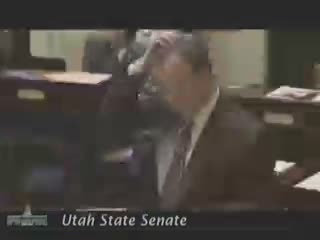
The Utah Senate adopted an amendment and passed Senate Bill 122 on Feb. 9, 2010, after floor debate about the scope of eminent-domain authority. The adopted Amendment No. 1 restored language concerning settlements of fewer than 10 families that committee drafting had inadvertently omitted, and sponsors said the bill clarifies that eminent domain may be used for proposed projects when the high statutory public-need standard is met.
Senator Adams, sponsor of the amendment, explained the change as a correction to committee drafting. Opponents and cautious senators questioned whether the bill expanded access to eminent domain and stressed that Utah's existing high legal standard for taking private property should remain in effect. Senator Jenkins recounted a local landfill siting dispute to illustrate the stakes for property owners; Senator Butters characterized eminent domain as a measure that causes concern and asked whether SB122 would open additional access to takings.
Sponsor Adams replied that the bill only clarifies existing statutory practice and does not lower the legal threshold required for eminent-domain actions. After brief debate, the amendment was adopted by voice vote and the Senate recorded passage (29–0). The bill will be forwarded to the House for further action.
"This bill clarifies what is currently being used and make sure that if there is a proposed project that eminent domain can be used for it," Senator Adams said during floor discussion. "Currently with any eminent domain action, there is a very high standard...and this does not change that standard at all."