Get Full Government Meeting Transcripts, Videos, & Alerts Forever!
Get email alerts on the Bills And Agenda topic
No spam. Unsubscribe anytime.
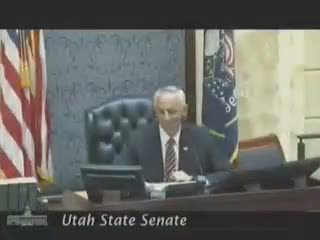
Utah Senate reads dozens of bills on first day and refers them to Rules Committee
Summary
On its organizational day the Senate read short titles for a broad slate of bills and resolutions (SB 1–SB 100 and joint/concurrent resolutions) on topics including the state budget, criminal penalties, education policy, rainwater harvesting, gun protections, taxation and natural resources; all were read for first time and referred to the Rules Committee.
The Utah Senate on opening day read the short titles of an extensive list of bills and resolutions and referred them to the Rules Committee for committee assignment and further consideration.
The reading clerk recited bills including, by short title and sponsor as read into the record: Senate Bill 1 (State Agency and Higher Education Based Budget, Senator Hilliard); Senate Bill 11 (Utah State Made Firearms Protection Act, Senator Dayton); Senate Bill 12 (Individual Income Tax Contribution for Methamphetamine Housing, Reconstruction and Rehabilitation Fund, Senator Maine); Senate Bill 16 (Utah Performance Assessment System for Students, Senator Stephenson); Senate Bill 32 (Rainwater Harvesting, Senator Jenkins); Senate Bill 81 (Imminent Domain Amendment, Senator Hilliard); and Senate Bill 99 (Water Companies and Water Right Change Requests, Senator Valentine). The reading covered bills through Senate Bill 100 and several concurrent and joint resolutions on subjects ranging from health and education to sovereignty and federal grant spending.
The clerk announced that the bills read for the first time would be referred to the Rules Committee. Senator Dayton noted that the Rules Committee would convene three minutes after adjournment in the Senate Rules Room to begin formal referral and scheduling. No final votes on the bills were recorded on the floor during the reading; the readings constituted first reading and referral rather than committee debate or passage.