Get Full Government Meeting Transcripts, Videos, & Alerts Forever!
Get email alerts on the Consumer Protection topic
No spam. Unsubscribe anytime.
Senate Advances Payday‑Lending Reforms Tightening Rollovers and Requiring One No‑Fee Payoff Plan
Summary
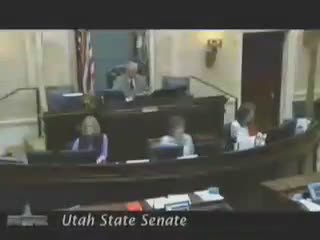
The Senate moved House Bill 15 to third reading. The bill reduces allowable rollovers from 12 to 10 weeks, requires lenders to offer one payoff plan per year per lender with no additional charges and restricts workplace contact by collection agents; supporters said it was a negotiated compromise with industry.
Senator Maine, carrying House Bill 15, described the bill as a compromise measure affecting deferred‑deposit (payday) lending. Maine said the bill shortens the permissible rollover window from 12 to 10 weeks and requires that if a borrower cannot pay, the lender must provide a payoff plan once per year per lender with at least 60 days and four payments without additional interest or charges.
Maine also highlighted a provision limiting harassment at the borrower's workplace: if an employer or borrower asks collectors to stop contacting the workplace, collectors must comply. Senators asked whether the change could interfere with civil process servers serving judgments at the workplace; the sponsor said he would research that and follow up with the questioner.
Senator Maine said the measure reflected agreement with Representative Dunigan and the Utah Consumer Lending Association and characterized it as a useful tool rather than a final solution. HB15 was moved to the third reading calendar, receiving a roll call recorded as 25 yay votes, 0 nay votes, 4 absent.
Why it matters: the bill changes borrower protections and lender obligations in a sector often criticized for high fees and short repayment cycles. The workplace‑contact restriction and reporting requirements (average loan length) aim to mitigate borrower harm.
Outcome and next steps: HB15 advanced to the third reading calendar; sponsors will follow up on questions about court‑ordered service and implementation details.