Get Full Government Meeting Transcripts, Videos, & Alerts Forever!
Get email alerts on the Education Elections topic
No spam. Unsubscribe anytime.
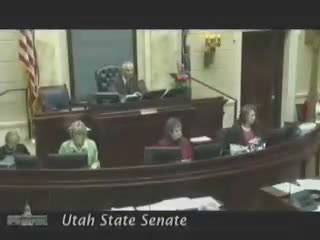
Senate approves move to partisan elections for state school board
Summary
On March 7, 2011 the Utah Senate passed SB224 to replace the current nomination panel with delegate-based, partisan selection for the state school board; supporters argued it increases public involvement while opponents warned of constitutional and political risks.
The Utah Senate voted 17-12 on March 7, 2011 to pass Senate Bill 224, a measure that would shift selection of the State Board of Education to partisan elections and change the nomination process.
Sponsor Senator Howard Stevenson said the bill replaces the current nominating panel with a system of roughly 300–400 delegates in each district who would screen and place candidates on the ballot, and he argued the change would broaden citizen involvement in who appears on the ballot. "This will ensure that 300 to 400 people will actually select who goes on the ballot rather than the current 12 plus 1 governor," Stevenson said in floor remarks advocating passage.
Senator Romero opposed the bill on constitutional grounds, citing Article X, Section 8 of the Utah Constitution, which prohibits religious or partisan tests as conditions of public-school employment or service. "I still think this guidance in our state constitution raises sufficient concern that as a matter of policy it should factor into our deliberations," Romero said, urging senators not to inject politics into school governance.
Senator Thatcher, explaining his aye vote, said the change would open candidacy and increase accountability: "I think this opens up choice. It opens up accountability, and I think it's going to get a lot more exposure for our candidates." The motion for final passage followed extended debate and a call for a roll-call vote.
The bill will be forwarded to the House for further action. The Senate recorded 17 yea votes, 12 nay votes and no absences at the time of the roll call.