Get Full Government Meeting Transcripts, Videos, & Alerts Forever!
Get email alerts on the Transportation Utah Lake Bridge topic
No spam. Unsubscribe anytime.
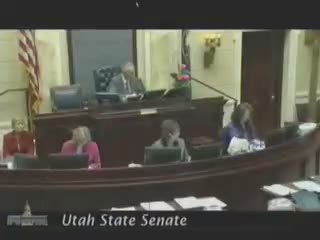
Senate adds transportation agencies to Utah Lake bridge approval, passes HB137
Summary
The Utah Senate passed HB137 to include the Department of Transportation and the Transportation Commission in approvals for any bridge across Utah Lake; sponsors said the change brings technical expertise to a potential privately funded project. The bill passed 23–4 and returns to the House for the speaker's signature.
The Utah Senate on March 9 passed House Bill 137, a measure that would add the Utah Department of Transportation and the Transportation Commission to the approval process for any bridge project crossing Utah Lake.
Sponsor Sen. Madsen told the chamber the bill does not itself authorize construction but ensures transportation experts are part of the permitting and alignment decisions when a proposal involves state sovereign land. “There’s been discussion about a bridge that goes across Utah Lake to open up the West Side Of Utah Lake,” Madsen said, arguing the Transportation Commission’s technical input would help align the project with existing infrastructure and assess financial feasibility.
During floor questioning, Sen. Romero asked who would make the ultimate decision on a bridge if the bill passes; Madsen replied that if the land is state sovereign land the Department of Natural Resources would retain authority now, and HB137’s purpose is to bring in additional agencies to that decision-making process. Supporters emphasized the bill’s limited scope—adding parties to the review—not an affirmative authorization of construction, and noted proponents expect any bridge to be privately financed and phased (one lane each direction with room to expand).
Opponents urged caution. Some senators pressed for more exact cost estimates and raised questions about the environmental and planning implications of a lake crossing; the sponsor said up-to-date cost figures were not in hand and that private partners had provided earlier conceptual numbers but specifics would be worked out later.
On final passage the Senate recorded 23 yea votes, 4 nay votes and 2 absent. The bill was signed by the president in open session and will be returned to the House for the speaker’s signature.
The bill’s next procedural step is the House signature; at floor discussion senators said further technical review and coordination with state natural-resource authorities will be required if a private proposal advances.