Get Full Government Meeting Transcripts, Videos, & Alerts Forever!
Get email alerts on the Consent Calendar topic
No spam. Unsubscribe anytime.
Utah Senate advances dozens of measures on consent calendar, including safety and administrative bills
Summary
The Utah Senate cleared a large consent calendar and moved several bills forward, approving measures on pharmacy labeling, state parks roads, electronic meetings for charter school boards and other technical and policy changes in a fast-moving floor session.
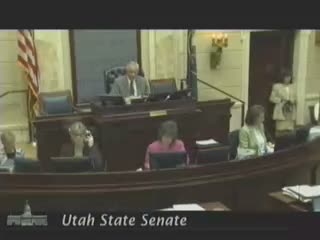
The Utah State Senate moved rapidly through its consent calendar on March 2, approving a broad set of resolutions and bills that leaders described as technical fixes, safety measures and administrative improvements.
Senator Christiansen summarized House Concurrent Resolution 5, which encourages pharmacies and prescribers to place patient-centered information on prescription labels so emergency responders or caregivers can readily identify a medicine’s purpose; sponsors called the measure permissive and safety-oriented. The chamber also approved House Joint Resolution 35 establishing a Mitochondrial Disease Awareness Week to raise public awareness of a condition that often affects children and can be life-limiting.
Other measures cleared the floor by unanimous or recorded votes. First Substitute Senate Bill 317 added two roads to the State Parks highway system (Park City into Wasatch State Park and the road up to Soldier Hollow). First Substitute House Bill 106 was approved to pilot online meetings for charter-school governing boards, requiring a report in November to the Public Utilities Technology Committee. Senate bills that clarified tax and pollution-control statuses and several appropriations-related statute updates also passed and were sent back to the House for further action.
Senators praised the brisk pace. The president noted the body had passed a dozen bills during opening exercises and said the session was “in the groove.” The bills taken on the consent calendar were largely noncontroversial technical or policy clarifications; several required only sponsor explanations before unanimous voice votes or recorded tallies.
The Senate recessed after extended debate on later calendar items; many of the consent items will be returned to the House for signature or further House action.