Get Full Government Meeting Transcripts, Videos, & Alerts Forever!
Get email alerts on the Criminal Forfeiture topic
No spam. Unsubscribe anytime.
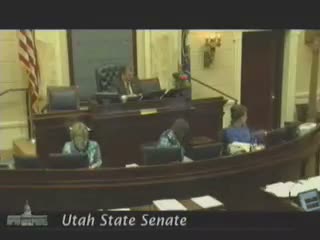
Senate sends criminal‑forfeiture consolidation bill back to Rules for interim study
Summary
Senate members voted to send Senate Bill 228 (criminal forfeiture amendments) back to Rules for additional study and drafting after senators and the public raised concerns about combining disparate forfeiture provisions into one statute.
Senator Lilienquist moved that Senate Bill 228, a proposal to consolidate criminal forfeiture provisions scattered across the code into a single chapter, be referred back to Rules and set for interim study. Sponsors and several senators said the drafting was "clunky" and raised overlapping language and potential unintended consequences. Senator Valentine said he had met with the Attorney General's office and supported referral to clarify statutory language; Senator Butters urged caution given the sensitivity of asset forfeiture laws and Initiative B history.
After floor discussion on the need for a comprehensive and clearer codification, the Senate approved the motion to send SB228 to Rules for interim study and indicated the referral would be used as a starting point for broader, more careful work. The decision reflects bipartisan concern about making substantive changes to forfeiture law without additional stakeholder review and clearer drafting.
Because the measure was referred to Rules rather than passed, no final policy or statutory change occurred on the floor that day; sponsors said they will continue work in committee and with the Attorney General’s office to address overlaps and clarity issues.
Next steps: SB228 will be considered in Rules and through interim work, with further floor action possible after redrafting and public input.