Get Full Government Meeting Transcripts, Videos, & Alerts Forever!
Get email alerts on the Public Records topic
No spam. Unsubscribe anytime.
Senate approves GRAMA revisions after contentious debate; lawmakers promise interim study
Summary
House Bill 4-77 amending the Government Records Access and Management Act passed after extended floor debate about modern communications, fees for voluminous requests, and the balance between transparency and privacy; sponsors agreed to pursue interim work and public input.
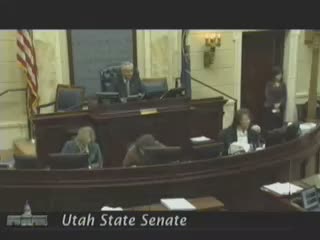
SALT LAKE CITY — The Utah Senate passed House Bill 4-77, making substantial changes to the Government Records Access and Management Act (GRAMA), after a long floor debate focused on how modern communications should be treated and whether the bill overly narrows public access.
Sponsor Senator Hilliard argued the law needed updating to reflect contemporary records (emails, texts, voice mails and other electronic communications) and to afford protection for sensitive materials such as attorney work product and certain internal legislative records. “When we adopted GRAMA in 1992 we didn’t anticipate text messages, video chats and instant messaging,” he told colleagues during the presentation.
Debate centered on transparency and process. Several senators urged sending the bill to interim study for broader public input and technical fixes; Senator Jones said the bill should go to interim study and not be passed immediately. Others said the bill had received public hearings in both chambers and that interim work would continue alongside adoption.
Key changes discussed on the floor include: clarifying the definition of a record in the electronic age; creating a process to charge reasonable fees for voluminous or burdensome requests (sponsors cited an example of high-cost compliance); protecting certain deliberative workpapers and reasonably anticipated litigation materials; and establishing legislative-records policies for how some requests will be handled.
Sponsors acknowledged there were concerns and committed to continued conversations with the media, the public and stakeholder groups during the interim. “I was told that I will now become a target... I’ll ask that we put this issue on interim study,” Senator Hilliard said while urging passage. Several senators who voted yes said they expected thorough interim study and additional stakeholder engagement.
The bill passed on a roll-call vote. Supporters said the changes bring the statute into the electronic era without removing core public-access protections; opponents warned about reduction in openness and the pace of change late in session.
What’s next: Sponsors said they will continue dialogue over the interim to refine language and address concerns raised by media organizations, attorneys and citizens.