Get Full Government Meeting Transcripts, Videos, & Alerts Forever!
Get email alerts on the Driver Privilege Card topic
No spam. Unsubscribe anytime.
Senate tightens rules for driving-privilege card, adds fingerprinting and background checks
Summary
Lawmakers approved a substitute for SB138 that keeps the driving-privilege card but requires fingerprint background checks (BCI and FBI), raises fees, and mandates reporting of felony convictions and outstanding warrants for applicants; the measure passed after extended debate about identification and public-safety trade-offs.
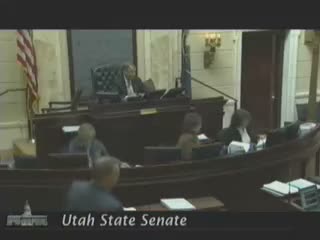
SALT LAKE CITY — The Utah Senate on March 3 approved a revised Senate Bill 138 that strengthens vetting for the state’s driving-privilege card rather than repealing the card outright.
Senator Bramble, who moved the second substitute, described the change as a way to strengthen identification and law-enforcement databases without eliminating the card’s public-safety benefits. “What this substitute bill does is it provides a mechanism for a fingerprint background check for those individuals that would apply for a driving privilege card or apply for a renewal,” Bramble said, adding the check would be done through the Bureau of Criminal Identification and the FBI.
Sponsor opponents pushed for full repeal. Senator Urquhart urged revocation earlier in the debate, arguing the card “sends a big welcome sign to illegal aliens” and can be used to create false identifications. Supporters, including Senator Robles, framed the card as a public-safety mechanism that encourages licensing, testing and insurance: “The driving privilege card is a public safety law enforcement mechanism... it allows individuals to have a mechanism to get trained, tested and be insured on the roads,” Robles said.
Key provisions the Senate approved include fingerprint-based background checks tied to state and federal criminal databases, higher fees for the driving-privilege card (sponsors said the substitute would double fees), and mandatory reporting of felony convictions or outstanding warrants to relevant law-enforcement agencies. Sponsors said fingerprints would be retained in a law-enforcement database for legitimate investigative uses.
The floor debate also revisited whether the driving-privilege card can and should be accepted as identification. Several senators noted the statutory text says the card “shall not be used for government identification purposes,” while acknowledging private businesses and law enforcement sometimes accept it in practice.
The body substituted and then passed the second substitute by roll call. Senators voting for and against noted they had policy reservations but supported the compromise language that imposes stronger vetting rather than elimination of the card.
What’s next: The Senate will forward the amended bill for action by the House; sponsors signaled that implementation details (fee amounts, BCI/FBI processes) and administrative rules will be set during rulemaking and agency coordination.